


















Fisher’s Weekly Fuel Costs Surge by $10K Amid Crisis

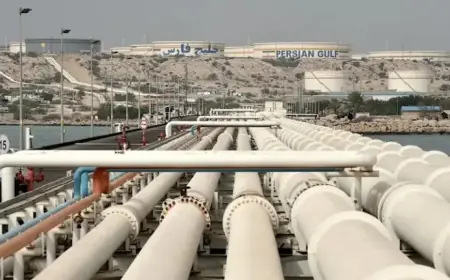
Fuel prices have surged significantly amid ongoing conflicts in the Middle East, placing a heavy burden on growers and fishers. With escalating costs, many producers are faced with difficult decisions to remain viable.
Impact of Rising Fuel Costs
Over the past week, producers from the Capital Region Farmers Market in Canberra have expressed concerns about their future operations. Located in a vital agricultural area, this market supports numerous growers from regions including the New South Wales coast.
- Many farmers are urging supermarkets for assistance.
- The government advises consumers against panic buying.
Cost Increases Among Fishers
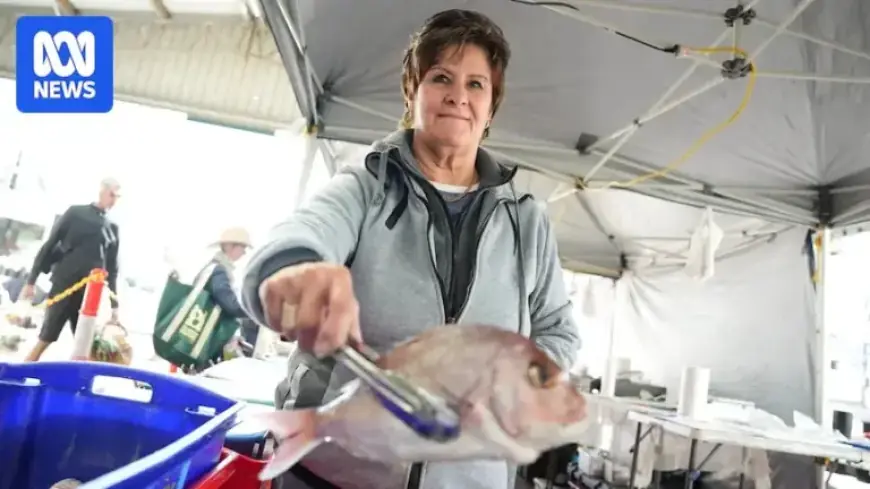
Vicki Abbott, who operates Narooma Seafoods, reported a staggering increase in operational costs. She shared that the average fuel consumption for her boat is around 30,000 liters per month, leading to an additional $10,000 in fuel expenses weekly.
- Abbott has raised prices by 50 cents per kilo.
- Long fishing trips for swordfish are no longer feasible.
Abbott plans to fish closer to shore to preserve resources. Her operation serves markets in Moruya, Sydney, and Canberra, indicating a regional impact on seafood supply. Despite challenges, she stated they are in a better position than several competitors with multiple vessels facing similar fuel hurdles.
Challenges for Local Growers
Smaller producers like Rahmatullah Jafari are also feeling the pinch. Jafari, who travels four hours to sell pomegranates, relies on diesel-fueled machinery. Despite the diesel price doubling, he has refrained from passing costs onto consumers to maintain their loyalty.
Another producer, Caroline O’Clery, is proactively collecting diesel using jerry cans, anticipating harvest demands next month.
Concerns Over Fertilizer Supply
Fuel price hikes are also affecting fertilizer availability. Paul de Jong, a seedling grower, mentioned a 10% increase in overall costs. He is concerned about fertilizer restrictions due to supply chain issues linked to imports from America.
Luke Bartlett, a potato grower, highlighted that fertilizer shortages could be detrimental. With diesel and fertilizer both in short supply, growers are struggling to meet production demands. Bartlett observed that many customers are hesitant to place orders under current circumstances.
- Many farmers have increased their prices to cover rising costs.
- The next year poses significant uncertainties for growers.
As the situation evolves, it remains to be seen how these factors will shape the agricultural landscape in the coming months. Producers stress the need for support to navigate these challenges effectively.