

























Stellantis Expands Chinese Car Production Globally Amid ‘IKEA-Style’ Assembly Buzz

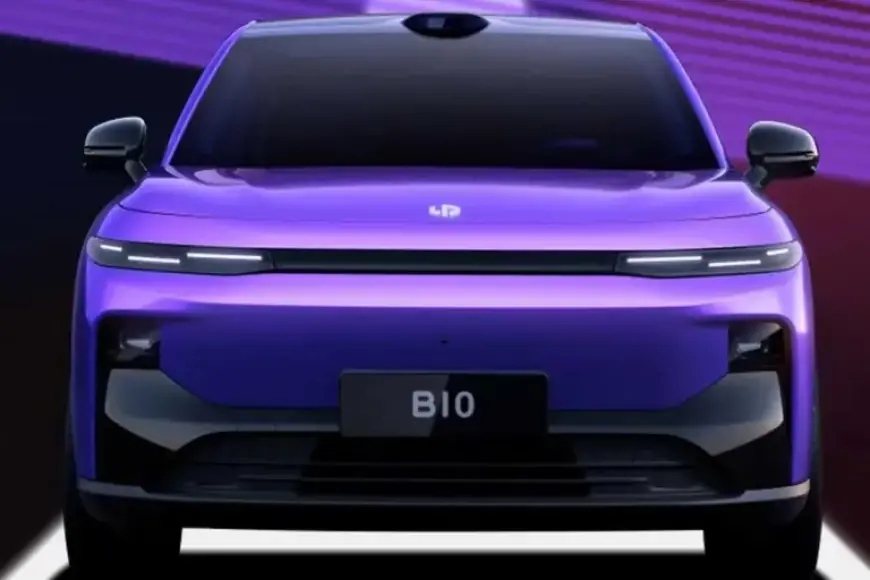
Stellantis is preparing to move Leapmotor from an import partner to a worldwide production partner. The group plans assembly and local manufacturing across three continents. This strategy reflects that Stellantis expands Chinese car production globally while sparking debate over IKEA-style assembly buzz.
Europe: Zaragoza and local assembly
The Leapmotor B10 electric SUV could be produced at Stellantis’ Zaragoza plant as early as 2026. Local manufacture would avoid European customs duties and speed deliveries. It would also raise the model’s competitiveness in the region.
Stellantis envisions deeper industrial ties in Europe. Some models may share platforms with Fiat, Peugeot or Opel. An R&D centre in Munich will support engineering coordination.
Brazil: Goiana becomes a technological hub
In Brazil, Stellantis confirmed local production of the Leapmotor B10 and C10 SUVs at its Goiana plant. The site is being expanded to host the new activity. The move signals strong commitment to South America.
The company is developing REEV Flex technology there. The system combines electrification with flex-fuel capability. Stellantis describes it as a regional innovation that adapts Chinese EV tech to local fuel realities.
Canada: kit assembly and political controversy
Stellantis is reportedly weighing a relaunch of the Brampton plant for Leapmotor vehicles. The concept calls for cars to be built in China, shipped in kits, and reassembled in Canada. The plan aims to ease market access under North American rules.
The proposal has faced sharp criticism from political and industry leaders. Detractors call the process a form of cut-price manufacturing. The comparison to IKEA-style assembly has become a central talking point.
Even partial assembly in Canada could provide strategic access to the U.S. market. That access matters amid rising regulatory scrutiny of Chinese technologies.
Turning Leapmotor into a global brand
Two years after investing 1.5 billion euros, Stellantis is accelerating Leapmotor’s international footprint. The strategy uses Stellantis’ global network to scale production and distribution. Each region will serve a specific industrial purpose.
- Spain offers tariff avoidance and quicker delivery for Europe.
- Brazil provides technological adaptation and fuel-flex solutions.
- Canada could open doors to North American markets.
Stellantis now treats Leapmotor as an industrial lever for its electric transition. The partnership aims to blend Chinese agility with Stellantis’ manufacturing reach. Filmogaz.com will continue covering developments as projects advance.