










In Hungary’s Key Election, JD Vance Acts Too Little, Too Late

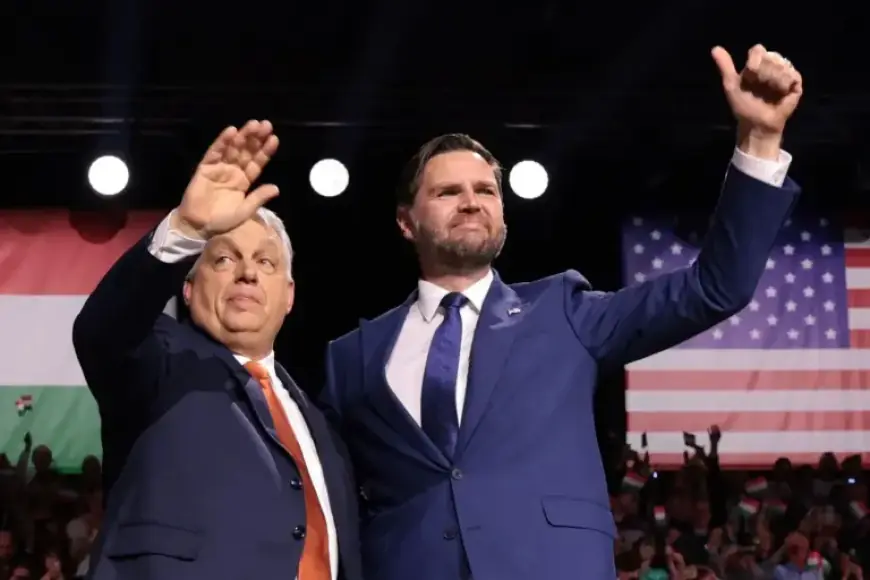
U.S. Vice President JD Vance’s recent visit to Budapest has drawn significant attention as Hungary approaches its parliamentary elections on April 12, 2026. Intended as a boost for Prime Minister Viktor Orban, the visit revealed stark contrasts between the government’s international aspirations and the pressing domestic issues facing Hungarian voters.
Visit Highlights
This event marked a historic moment, being the first visit by a sitting U.S. vice president to Hungary in 35 years. The Hungarian government celebrated the visit as a diplomatic victory, highlighting the significance of Orban’s relationship with the Trump administration.
Event Overview
- Date: April 7, 2026
- Location: MTK Sportpark, Budapest
- Key Figures: JD Vance and Viktor Orban
- Attendance: Joint press conference and rally-like event
During this event, Vance expressed support for Orban, portraying him as the best choice for Hungary amidst claims of interference from European bureaucrats. However, the political landscape has shifted significantly since Orban’s last election.
Changed Political Climate
Peter Magyar’s rise and successful campaign with the Tisza party have brought new dynamics to Hungarian politics. His ability to attract public support reflects widespread dissatisfaction with the government’s handling of economic challenges.
Election Factors
- Emergence of Competition: First substantial opposition in 16 years
- Public Sentiment: Voters concerned about economic issues
- Government Scrutiny: High-profile criticism regarding state power abuse
As Orban’s popularity wanes, the effectiveness of relying on international partnerships, particularly with the MAGA movement, to enhance domestic appeal has also been called into question. Public anxiety over economic stability has overshadowed foreign policy narratives.
Implications of Vance’s Visit
This visit was viewed as a potential consolation for the Orban government. In the lead-up to the election, hints suggested that Donald Trump might attend a major event in Hungary, which would have symbolized strong support. However, Vance’s visit, positioned late in the campaign, felt less impactful.
Key Takeaways
- Symbolism: Vance’s visit lacked the symbolic weight of a Trump appearance.
- Public Perception: Vance remains a secondary figure in Hungary.
- U.S. Strategy: Cautious comments point to potential shifts post-election.
Despite warm rhetoric, Vance emphasized that U.S.-Hungarian relations would persist, regardless of electoral outcomes. This statement reflects diplomatic prudence, especially with polls indicating a possible loss for Orban.
Conclusion
JD Vance’s visit to Hungary came amid a broader backdrop of geopolitical tensions and significant internal discontent. As elections approach, the outcome will not only impact Hungary’s domestic politics but also its relationship with international partners. With economic challenges pressing, the visit may have arrived too late to alter the course of the upcoming elections for Orban’s administration.