
























Minister Questions Road User Tax Amid EV Adoption Concerns

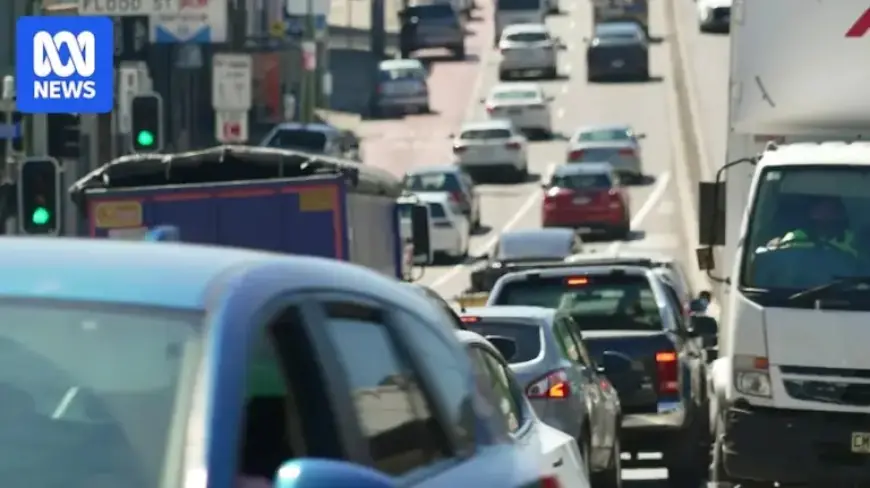
The ongoing discussions surrounding road user taxes in Australia, especially regarding electric vehicles (EVs), have encountered significant uncertainty. Transport Minister Catherine King recently expressed skepticism about the timing of implementing such a tax. Her comments come after Treasurer Jim Chalmers previously indicated that the time was right for a shift from traditional fuel taxes to a road user charge.
Concerns Over Electric Vehicle Adoption
The government’s hesitance stems from fears that taxing EVs could hinder their adoption. Minister King emphasized the need to promote electric vehicle uptake, particularly amid a recent surge in interest among consumers. “We don’t want to disincentivise that at all,” she noted.
- Fuel excise revenue: estimated at $15 to $18 billion yearly.
- Electric vehicles constituted nearly 15% of new car sales last month.
Experts predict that if a road user charge were to be implemented, it would likely be collected during vehicle registration. The Electric Vehicle Council has voiced support for a road user charge that remains equitable and doesn’t impede the transition towards electric mobility. They advocate delaying the charge until at least a third of new vehicle sales are electric.
State-Level Developments
States are also responding to the situation. New South Wales has already enacted its own road user charge, scheduled to start next July. Meanwhile, Western Australia has proposed a similar initiative. Conversely, an attempt by Victoria to introduce a road user charge specifically for EVs was ruled unlawful by the High Court.
Impact of Current Events on EV Sales
The rise in electric vehicle purchases can be largely attributed to increasing concerns over fuel security, particularly following the outbreak of conflict in Iran. This shift has led many Australians to seek alternatives to petrol and diesel vehicles.
Future of EV Tax Incentives
In addition to road user taxes, the government is re-evaluating the “EV discount.” This incentive, which exempts electric vehicles from fringe benefits tax when acquired under novated leases, has proven more costly than initially expected. Minister King has indicated that further announcements regarding this discount will be made during the upcoming budget.
As discussions continue, the landscape for electric vehicle taxation remains complex. Balancing the need for government revenue with the push towards cleaner transportation will be critical in shaping the future of road user taxes in Australia.