





















Mining Giant Accelerates Diesel-Free Initiative Amid Global Shortage

In a significant move toward sustainability, Fortescue Metals Group, one of Australia’s largest mining companies, is accelerating its efforts to eliminate diesel and natural gas from its iron ore operations. Citing the recent conflict in the Middle East as a key motivator, the Perth-based firm aims to reduce its reliance on fluctuating global energy markets.
Fortescue’s Commitment to Renewable Energy
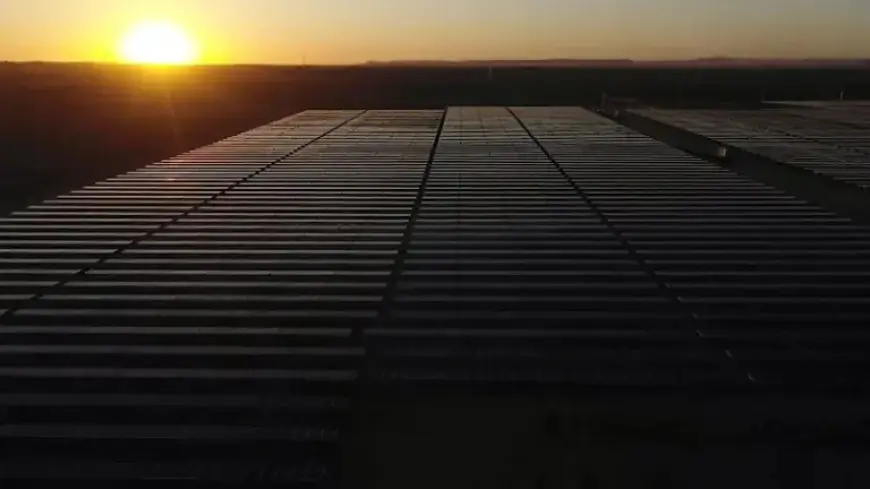
Fortescue has expedited its plans to implement renewable energy solutions across its mining operations in the Pilbara region of Western Australia. Under the leadership of billionaire chairman Andrew “Twiggy” Forrest, the company is set to invest billions in establishing wind turbines, solar panels, and large-scale batteries.
- 1.2 gigawatts of solar power capacity
- Over 600 megawatts of wind generation
- 4-5 gigawatt-hours of battery storage
The initiative aims to create the world’s first fully integrated industrial green energy grid, targeted for completion by 2028. By early next year, Fortescue expects to meet the energy needs of its ore-processing facilities entirely through renewable sources.
Addressing the Diesel-Free Initiative
Forrest emphasized the urgency of this transition, stating, “As the world enters an entrenched gas and diesel supply crunch, Fortescue is stepping beyond these problems.” The mining giant plans to power its Pilbara operations without fossil fuels around the end of 2024.
This initiative is part of Fortescue’s ‘Real Zero’ program, which aims to eliminate all greenhouse gas emissions from its Australian iron ore operations by 2030. Unlike many entities committed to net-zero targets, Fortescue’s strategy does not rely on carbon offsets or credits.
Challenges in the Current Energy Landscape
The mining sector faces significant challenges due to ongoing global energy instability. The conflict in the Middle East has led to a disruption of approximately 20% of global crude oil supply, causing price surges. Additionally, drone strikes on liquefied natural gas facilities have further escalated gas prices.
Fortescue’s proactive measures are in stark contrast to other Australian miners who are urging the federal government to reconsider industrial emissions limits amid rising fuel prices.
Financial Implications of Renewable Transition
Iron ore exports from the Pilbara region generated $116 billion in revenue last financial year, accounting for about 5% of Australia’s GDP. Currently, most operations still depend heavily on fossil fuels, particularly in terms of energy for heavy machinery.
In his comments, Forrest noted that Fortescue’s renewable energy projects have already yielded significant benefits. In just four days, the company’s solar farms produced 1.2 gigawatt-hours, helping to mitigate costs associated with emergency fuel supplies.
Looking Ahead: Green Hydrogen Production
While Fortescue continues to strengthen its position in renewable energy, it is also exploring green hydrogen production. This future energy source, promising clean combustion, could potentially replace coal, oil, and gas in various industries. However, cost remains a significant barrier, with green hydrogen being more expensive than fossil fuel-produced hydrogen.
Despite high initial costs and challenges in market readiness, Fortescue is committed to its vision of sustainable energy while scaling back some of its more ambitious projects to focus on viable solutions.
Fortescue’s strategy reflects a growing recognition of the benefits and necessity of transitioning to a diesel-free future in mining operations, aligning with global trends toward environmental sustainability.