
























Stock Market Crash Risk Increases Under Trump Presidency: Here’s Why

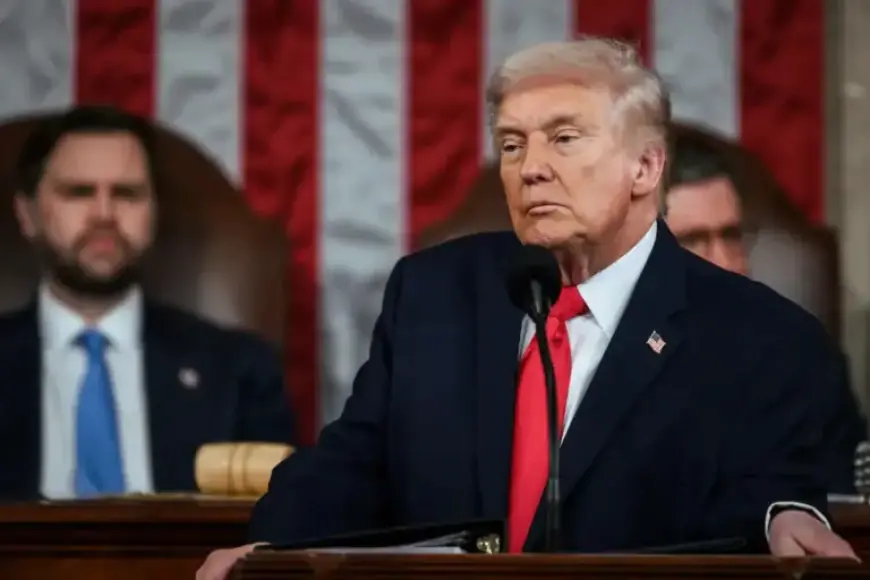
Investors enjoyed strong returns during President Donald Trump’s first term. From Jan. 20, 2017, to Jan. 20, 2021, the Dow rose about 57%. The S&P 500 gained roughly 70% and the Nasdaq climbed near 142%.
The first year of Trump’s second term also saw double-digit rallies across the major indexes. However, recent weeks have brought a pullback. Over the last six weeks, the Dow and Nasdaq briefly entered correction territory. The S&P 500 approached a double-digit decline.
Elevated valuations on Wall Street
Entering 2026, the market carried unusually high valuations. The S&P 500’s Shiller price-to-earnings ratio exceeded 40. Only two previous readings above 40 preceded major peak-to-trough losses: a 49% drop during the dot-com bust and a 25% decline in 2022.
That historical context raised concerns that stock market crash risk increases under the Trump presidency. Many investors viewed stretched valuations as a latent vulnerability.
Geopolitical shock: Iran and oil disruptions
Military operations against Iran began on Feb. 28. Shortly afterward, the Strait of Hormuz was effectively closed to most oil exports. That disruption affected about 20% of the world’s daily liquid petroleum demand.
Global crude prices surged. Higher energy costs spread into transportation and production expenses across many industries.
Inflation effects and near-term data
The Federal Reserve Bank of Cleveland’s Inflation Nowcasting model projected a sharp monthly inflation rise. The trailing 12-month inflation rate was estimated to jump from 2.4% in February to 3.25% in March, based on April 3 estimates. That would mark the 60th straight month above the Fed’s 2% target.
Monetary policy risks
For much of 2026, markets priced in the prospect of multiple Federal Reserve rate cuts. Lower rates had supported growth sectors, especially firms expanding AI-focused data centers. A rapid inflation uptick changes that calculus.
The Federal Open Market Committee, led by Chair Jerome Powell, could reverse course. Rising inflation and persistent oil-price effects may remove the case for easing. Reintroduced rate-hike risk would heighten the chance of a sharp equity sell-off.
Market history and silver linings
Sharp declines can happen quickly. The COVID-19 crash lasted 33 calendar days. The tariff-related sell-off lasted less than a week.
By Feb. 10, 2026, the current “AI Bull” surpassed 1,200 days. Bespoke Investment Group’s data shows the average S&P 500 bull market lasted about 1,011 days. The average bear market bottomed in roughly 286 days. The longest bear stretched 630 days.
Those patterns suggest volatility often resolves faster than many expect. If a crash unfolds, long-term buyers historically found attractive entry points. Filmogaz.com notes that while stock market cycles are unpredictable, history offers a framework for action.