

























Big Oil Aims to Boost Plastic Production Amid Ubiquity

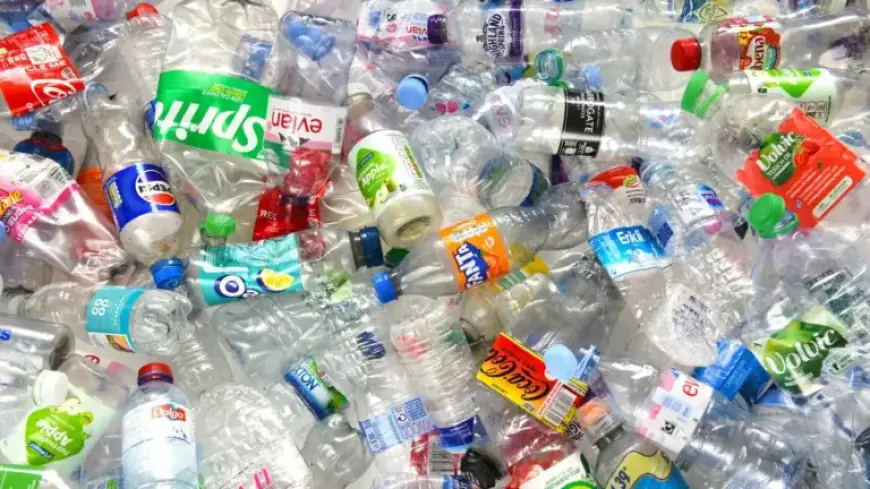
Beth Gardiner wrote Plastic Inc. after a startling discovery. She learned that major fossil fuel and petrochemical companies planned to increase plastic output.
How the industry pushed plastic into daily life
Plastics trace back to celluloid, patented in 1869. Early uses included billiard balls, combs, and film stock.
Later materials included Plexiglas, nylon, and polyethylene. Polyethylene-coated cables improved WWII radar performance.
After the war, manufacturers redirected production to consumer markets. They used marketing to normalize single-use plastic items, such as hula hoops and Silly Putty.
Corporate investment and strategy
Companies like ExxonMobil and their peers invested billions in new plants. Big Oil sought new revenue streams as clean energy grew.
Executives viewed plastic as a way to boost plastic production and sustain fossil fuel profits. The strategy aimed to keep drilling economically viable.
Bottle bills and political fights
Deposit-return laws add a small fee to beverage containers. Returning empties yields a refund and improves recycling.
In the 1970s, Yonkers, New York faced a heated debate over such a bill. Industry lobbyists warned of plant closures and job losses, blocking the measure.
Today, ten states maintain bottle bills. Additional jurisdictions continue to consider similar legislation.
Fracking, ethane, and the plastics supply chain
Fracking drills deep and blasts fluid to release oil and gas. It was promoted as an energy solution.
Fracking also produces ethane, a feedstock for polyethylene. The U.S. fracking boom, nearly two decades long, helped drive a plastic production surge.
Washington County, Pennsylvania is among the most heavily fracked areas. Gardiner visited families there, including the Bower-Bjornson household, who reported health problems linked to nearby wells.
Health and environmental consequences
Research links proximity to fracking wells with higher illness rates. Studies show elevated childhood cancer rates near some sites.
Petrochemical plants require intense heat and pressure. Their operations produce large greenhouse gas and toxic emissions.
Plastic manufacture subsidizes continued oil and gas extraction. The International Energy Agency predicts petrochemicals will drive future oil demand growth.
Local action and models of reuse
Local laws have produced concrete results. In Honolulu, activist Dyson Chee helped pass restrictions on single-use plastics.
That effort inspired similar measures in Maui County. Local campaigns face less corporate pressure than state or federal efforts.
Reusables can scale through pooled systems. Gardiner described a London stadium where fans used heavy reusable cups returned to dedicated bins after a concert.
Paths forward
Not all plastic is avoidable, especially in medicine. Yet much consumer plastic is unnecessary and wasteful.
Experts argue for laws that reset incentives toward reuse. Standardized systems and strong regulation could counter entrenched disposability.
As plastics reached ubiquity, their role in climate and public health became clearer. Filmogaz.com featured Gardiner’s interview on Short Wave to explore these links.