






















USPS Halts Pension Contributions to Prevent Cash Shortfall

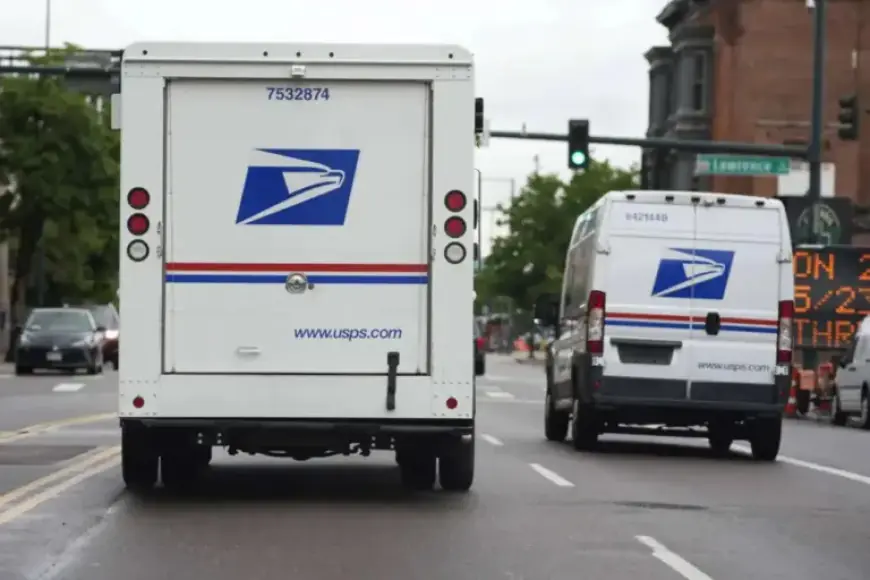
The U.S. Postal Service has temporarily paused some employer payments into the Federal Employees Retirement System. The move aims to shore up liquidity as the agency faces mounting financial pressure.
What the pause entails
USPS is withholding only its employer contributions to FERS. Employee contributions and all Thrift Savings Plan payments will continue on schedule.
The agency typically sends about $200 million to OPM every two weeks for the FERS annuity. Pausing those biweekly employer payments is expected to free roughly $2.5 billion this fiscal year.
Why leadership says the step was necessary
Postmaster General David Steiner warned lawmakers that the Postal Service could exhaust its cash in under 12 months if it paid all bills on time. He delivered that message during a March 17 House hearing about the agency’s finances.
USPS leaders say the immediate threat to operations outweighs short-term impacts on pension funding. CFO Luke Grossmann said the temporary suspension should not harm current or future retirees.
Context and past actions
The Postal Service has reported large net losses in most years since 2007. It previously paused employer FERS contributions in June 2011 during a prior cash emergency, then resumed payments and made the agency whole.
Lawmakers provided major relief in recent years. An April 2022 reform package reduced USPS liabilities by roughly $107 billion. That measure also required continued six-day delivery as a condition of relief.
Regulatory relief and revenue repurposing
The Postal Regulatory Commission issued a temporary waiver to let USPS use some retiree-designated revenue for operations. The waiver permits roughly $2.4 billion in fiscal 2026, and about $3 billion for each subsequent fiscal year through 2030.
The commission said the latitude offers breathing room. USPS must notify the Treasury and the regulator each year it chooses to use the waiver.
Price changes and limits
USPS plans a first-class stamp increase on July 12, from 78 cents to 82 cents. The agency needs regulator approval before the new price can take effect.
Since 2020, USPS has adjusted mail prices almost every January and July. The regulator recently capped the service to one price increase per year through September 2030.
Reaction from unions and proposals to Congress
Don Maston, president of the National Rural Letter Carriers’ Association, criticized the unilateral nature of the payment pause. He urged Congress to address the fiscal challenges while protecting service and earned benefits.
USPS has presented options for lawmakers. Proposals include raising the current $15 billion borrowing limit with Treasury, broadening pension investment choices beyond low-yield Treasuries, and changing contribution rules for the older Civil Service Retirement System.
The agency and its inspector general argue USPS overpaid into CSRS after the 1971 reorganization that created the self-funded Postal Service.
USPS halts pension contributions as one short-term step to prevent a cash shortfall. Agency officials and congressional leaders say more durable legislative fixes are still needed.