























Pakistan Aims for Continuity in US-Iran Summit Amidst US-Israel-Iran Tensions

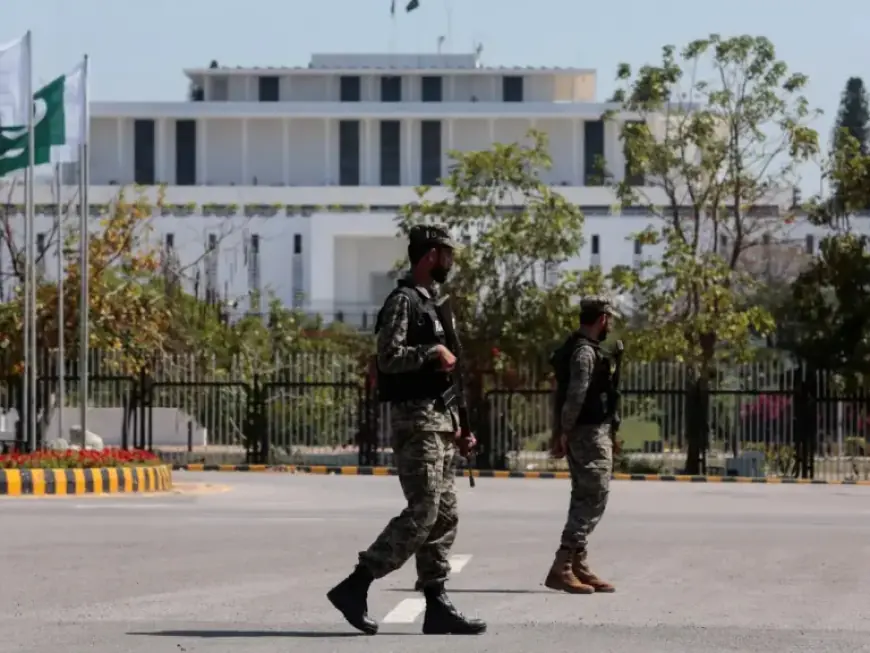
In a pivotal moment for international diplomacy, Pakistan is set to host negotiations between the United States and Iran in hopes of fostering continued dialogue amid rising tensions in the region. These talks are scheduled to begin in Islamabad on Saturday, aiming for a realistic outcome despite significant differences between the two nations’ positions.
Background and Objectives of the Talks
U.S. Vice President JD Vance is leading the American delegation, which includes key figures such as Steve Witkoff and Jared Kushner. Iran is expected to send representatives including Foreign Minister Abbas Araghchi and Parliament Speaker Mohammad Bagher Ghalibaf, although their attendance has yet to be formally confirmed. This meeting follows a Pakistan-mediated ceasefire established merely days earlier, which seeks to address the ongoing conflict exacerbated by the recent killing of Iranian Supreme Leader Ayatollah Ali Khamenei on February 28.
Expectation vs. Reality
Experts suggest that while significant breakthroughs are unlikely, the objective is to secure an agreement allowing both nations to continue negotiations. Zamir Akram, a former Pakistani ambassador to the UN, emphasized that facilitating the meeting was a major step forward. “Now, it is up to the parties to demonstrate their willingness to make sacrifices for peace,” he noted.
Proximity Talks Approach
The discussions will utilize a proximity format, where U.S. and Iranian delegates will not engage directly but will conduct negotiations through Pakistani officials acting as intermediaries. This method has historical precedence, as Pakistan previously employed similar tactics in the 1988 Geneva Accords regarding Afghanistan.
International Support for Pakistan’s Mediation
Pakistan’s initiative has garnered international support. World leaders, including UN Secretary-General Antonio Guterres and French President Emmanuel Macron, have publicly praised Islamabad’s role in facilitating the ceasefire. Over 25 diplomatic interactions occurred in the days leading up to the talks, showcasing a global recognition of Pakistan’s neutral mediation stance.
Challenges from Regional Conflicts
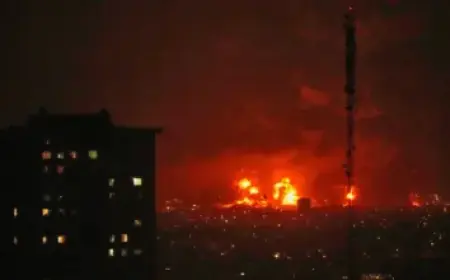
However, challenges loom over these negotiations, particularly concerning ongoing Israeli military actions in Lebanon. Iran regards these strikes as a direct violation of the ceasefire agreement, with the potential to derail talks altogether. U.S. officials have indicated that Lebanon falls outside the ceasefire’s terms, contrasting with Pakistan’s broader interpretation that includes the troubled region.
Contentious Negotiation Points
- Iran’s nuclear program limits and verification measures.
- Full sanctions relief for Iran and acknowledgment of its enrichment rights.
- Strategic discussions concerning the Strait of Hormuz and maritime safety.
Further complicating matters, nations including Bahrain and the United Arab Emirates have voiced that a simple ceasefire is insufficient without comprehensive measures against Iranian threats. Despite these complexities, there have been minimal signs of de-escalation, with bilateral talks between Saudi Arabia and Iran suggesting a willingness to engage.
Prospects for Progress
As the negotiation date approaches, there are indications that both sides may be open to extending discussions and exploring peaceful resolutions. However, experts stress that any lasting peace will require sustained commitment and patience. The outcome of this weekend’s talks in Islamabad will be critical in determining whether progress can be made in the ongoing diplomatic saga between the U.S. and Iran.