

























Navy Ends Prolonged Overhaul of Attack Submarine USS Boise

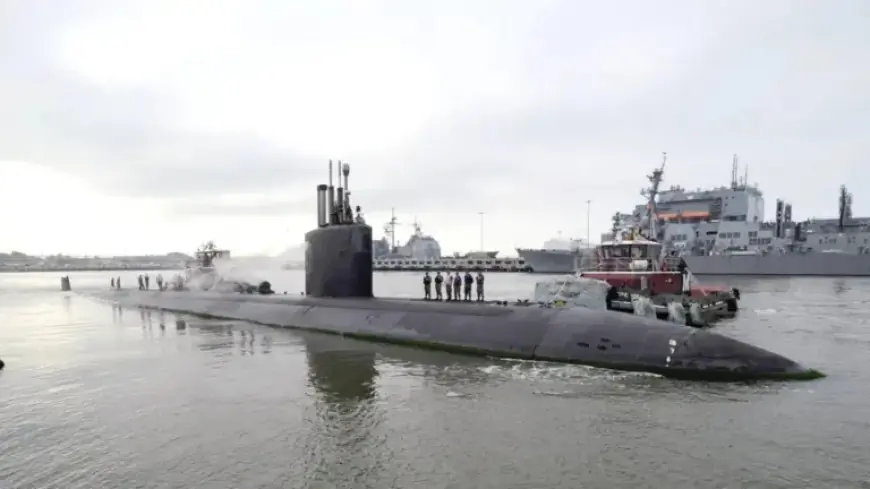
The U.S. Navy has officially ended the lengthy overhaul of the Los Angeles-class attack submarine, USS Boise. This decision concludes over a decade of delays and represents significant challenges within the Navy’s maintenance operations. The announcement was made by Navy Adm. Daryl Caudle, the Chief of Naval Operations, who cited a need for strategic realignment of resources.
Navy’s Strategic Decision on USS Boise
Initially commissioned in 1992, the USS Boise has faced ongoing issues since its last operational deployment in January 2015. The Navy decided to inactivate the submarine following a thorough analysis of its operational needs. Adm. Caudle emphasized the importance of reordering priorities to focus on delivering new Virginia and Columbia-class submarines.
Financial Implications
The Navy had allocated around $800 million for Boise’s incomplete overhaul, which was only 22 percent finished. Estimates for the total completion of this overhaul had surged to approximately $3 billion. Secretary of the Navy John Phelan articulated that the costs associated with Boise were unsustainable, equating to 65% of a new Virginia-class submarine’s expenses while providing only 20% of service life.
Background on Overhaul Delays
- The overhaul was initially scheduled to begin in 2013 but faced several delays.
- Boise was moved to various shipyards, including Newport News Shipbuilding, which is part of Huntington Ingalls Industries.
- The submarine lost its dive certification in 2017 and has not been able to conduct normal operations since.
- Planned completion was previously set for 2029, meaning Boise would have spent over one-third of its operational life inport.
Broader Navy Challenges
The difficulties with the USS Boise highlight overarching issues within the Navy, particularly concerning shipyard capacity and operational readiness. Reports from the Government Accountability Office (GAO) indicate a growing maintenance backlog across the fleet. This situation becomes critical when considering potential large-scale conflicts, particularly involving China in the Pacific.
In response to these challenges, the Navy has aimed to increase efficiency and capacity, including leveraging foreign shipbuilding resources. Recent decisions to cancel underperforming programs signal a shift toward more prudent financial management.
The closure of the USS Boise’s overhaul saga serves as a reflection of persistent maintenance struggles facing the U.S. Navy. It raises questions about the service’s future capabilities and readiness amid increasing global tensions.