










Trump Targets NFL with DOJ to Settle 1980s Feud

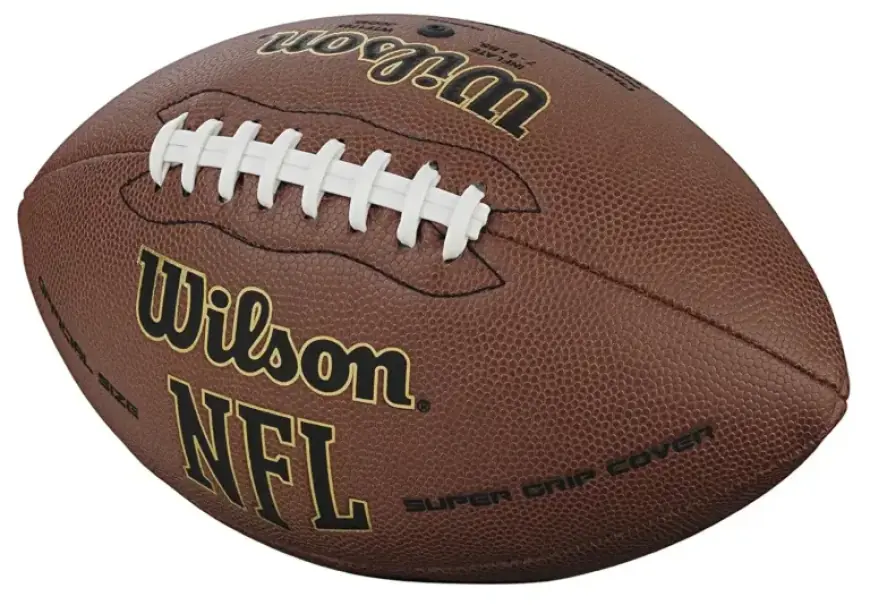
Recent developments indicate a renewed focus on the National Football League (NFL) as the Department of Justice (DOJ) investigates potential anticompetitive practices. This inquiry appears to align with former President Donald Trump’s historical grievances with the league, dating back to the 1980s.
Trump’s Conflict with the NFL
Trump has long been an adversary of the NFL, stemming from his failed attempts to own a franchise. His conflicts culminated in a 1980s antitrust trial, where he famously challenged the NFL after his bid to purchase the Baltimore Colts was rejected. This led him to acquire the New Jersey Generals in the USFL, ultimately resulting in an unsuccessful lawsuit against the league.
DOJ Investigation Overview
The DOJ’s investigation centers around the NFL’s media rights agreements. These deals have transitioned from traditional television to a broader spectrum that includes streaming services. Critics argue that this evolution forces fans to subscribe to numerous platforms, complicating their ability to access games.
- Examining the impact of media agreements on consumer access.
- Investigating potential violations of antitrust laws.
The Legal Framework
The Sports Broadcasting Act of 1961 provided the NFL with a limited antitrust exemption. This law allowed teams to negotiate TV deals collectively, which aimed to enable broader access to games on free television. However, the shift towards paywalls raises questions about whether this exemption should still apply.
Public and Legislative Responses
Senator Mike Lee has voiced concerns regarding the exemption’s relevance in the current media landscape. Meanwhile, the Federal Communications Commission (FCC) has opened a public comment period to gauge the streaming transition’s effects on consumers.
Media Implications and Future Outlook
Interest in the investigation has grown, particularly since the Wall Street Journal secured an exclusive report on the DOJ’s actions. This newspaper, owned by Rupert Murdoch, has been critical of the NFL’s influence over broadcasting fees, as his company engages in negotiations with the league.
Conclusion
The DOJ’s scrutiny of the NFL could signal a pivotal moment for both the league and media relations in sports. As this situation evolves, the intersection of politics, media, and sports will continue to capture public attention, with many watching how these developments unfold.