


















US-Iran Peace Talks: World Awaits Outcome as Tensions Rise

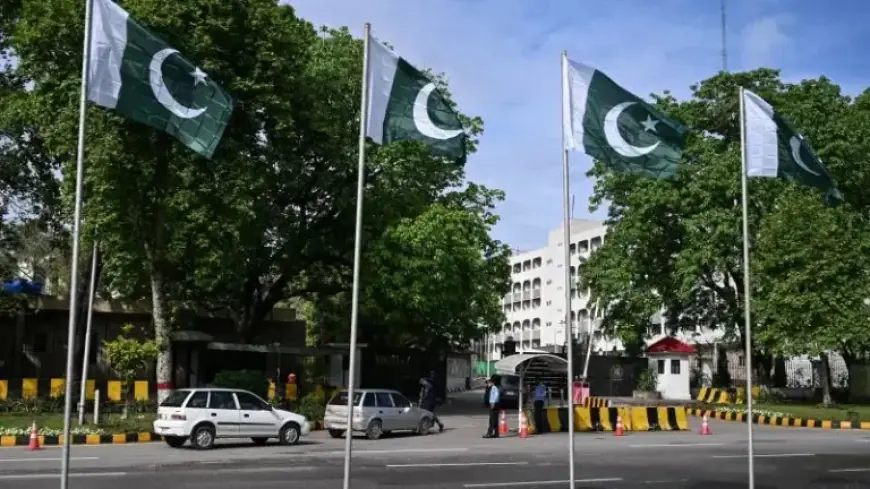
The next 48 hours will shape regional stability and global markets as US and Iranian delegations meet in Islamabad.
Pakistan declared a sudden two-day public holiday to tighten security for the talks. A fragile two-week ceasefire is currently holding.
Who is attending
The White House said talks begin Saturday morning local time in Islamabad. The US delegation is led by Vice President JD Vance.
Other US delegates include special envoy Steve Witkoff and Jared Kushner. Iran has not officially named its team.
Local reports say Iran may send Parliament Speaker Mohammad Bagher Ghalibaf. He has acted as a key interlocutor with the US during the war.
Competing agendas
Both sides have submitted multi-point proposals. President Trump cited a 10-point Iranian proposal he called workable.
State media versions of Iran’s list reportedly demand control over the Strait of Hormuz. They also seek reparations, lifting of all sanctions, and recognition of a right to nuclear enrichment.
The White House said Karoline Leavitt was referring to a different, more moderate Iranian plan. The US has an unrevealed 15-point document.
That US plan reportedly seeks Iran’s pledge to renounce nuclear weapons, surrender highly enriched uranium, limit defensive capabilities, and reopen the Strait.
Lebanon and the ceasefire
Whether Lebanon is included in the truce remains the biggest sticking point. Iran and Pakistan say the ceasefire covers attacks on Hezbollah in Lebanon.
Israel and the United States reject that interpretation. Just hours after the ceasefire began, Israel launched its largest strike campaign in Lebanon since the war started.
Lebanon’s health ministry reported at least 303 dead and more than 1,000 wounded from the strikes. The attacks prompted international criticism and anger from Tehran.
Responses from leaders
Ghalibaf warned that Lebanon and Iranian proxies are inseparable parts of the ceasefire. He said “time is running out.”
Vice President Vance described the dispute over Lebanon as a “legitimate misunderstanding.” He urged Israeli restraint.
President Trump told NBC he remained optimistic about a weekend deal. He said Iranian leaders had shown private willingness to negotiate.
Strait of Hormuz and shipping
Reopening the Strait of Hormuz was a central element of the ceasefire, according to the White House. Yet only a handful of ships have transited since the deal.
Hundreds of vessels remain stuck in the Persian Gulf. Thousands of crew members are affected on board those ships.
Semi-official Iranian agency Fars reported Tehran halted tanker traffic after the Lebanon strikes. Ghalibaf warned that ceasefire violations will draw strong responses.
Vance warned the ceasefire could end if Iran does not reopen the Strait. The US also warned against charging tolls to oil tankers.
Outlook for negotiations
US officials scrambled to prepare for the Islamabad meetings as the weekend arrived. Sources familiar with the talks expect this meeting to be the first of several intense sessions.
The main question remains whether negotiators can find a middle ground. If talks fail, analysts warn the war could resume with heavy regional and global costs.
As US-Iran Peace Talks: World Awaits Outcome as Tensions Rise, diplomats and markets watch closely. Filmogaz.com will monitor further developments.