






















EU Border System Evolves: From ‘EES Minus’ to ‘EES Plus’

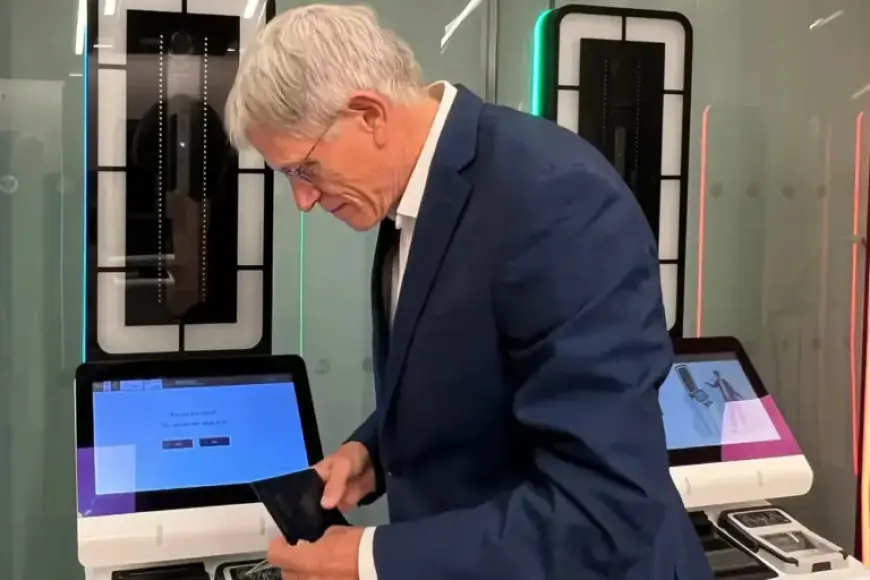
The EU entry-exit system was due to operate everywhere from 10 April 2026. The rollout has been uneven and travellers face varied experiences at different frontiers.
Rollout status and technical problems
The system covers Schengen frontiers from Canary Island airports to the Norwegian border with Russia. Many member states have installed EES kiosks at ports and airports.
Prague airport showed a faltering start on 12 October 2025. Some countries, notably France, are still not ready to process everyone digitally.
How the kiosks are meant to work
First-time third-country nationals provide a facial biometric and fingerprints from the right hand. Repeat visitors should normally present one biometric, usually a face scan.
Where networks function correctly, kiosks feed data to the central database and human checks follow. Where they fail, officers may scan passports manually instead.
Three practical outcomes for travellers
- “EES Minus”: officials record passport details manually when kiosks are offline.
- “EES Plus”: travellers are asked to give biometrics again on exit or on a later entry.
- “What EES?”: some frontiers continue wet stamping of passports for now.
Specific UK-France issues
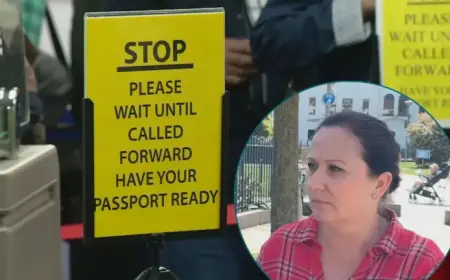
At juxtaposed controls in Folkestone, Dover and St Pancras, ranks of kiosks stand unused. Connectivity problems on the French side prevent the machines from operating.
That leaves some terminals relying on officers to skim passport data. The result is inconsistent treatment of British and other third-country nationals.
Timeline and traveller impact
Wet stamping has officially ended, even as EES operations remain inconsistent. Officials expect the current disruption to continue for about 150 days.
That window runs to Monday 7 September. Until then, travellers should expect variation between full digital processing and manual checks.
Travel beyond the EU: Kosovo and Albania
Countries outside the EU, such as Kosovo and Albania, are not part of the Schengen rules. Time spent there does not count towards the 90-day limit in any 180 days for the EU.
Recent travel included a short Wizz Air flight to Pristina. Local entry checks were swift and informal compared with Schengen frontiers.
Local scene and heritage
The Decani Monastery sits near the Kosovo–Albania border. Visitors reported sharing the site with deployed Italian troops and Polish police guarding the Serbian monument.
Accommodation options ranged from budget chains to small hotels offering local-themed promotions. Spring remains a good season to explore south-east Europe.
Practical advice for travellers
Allow extra time at borders and check official guidance before travel. Expect a mix of EES kiosks, manual passport skimming, and occasional passport stamping.
Filmogaz.com will continue to monitor developments as the EU border system evolves. Travellers should carry documentation and be prepared for varied procedures.