

























Retailer Criticized for Price Hikes as Shoppers Walk Out

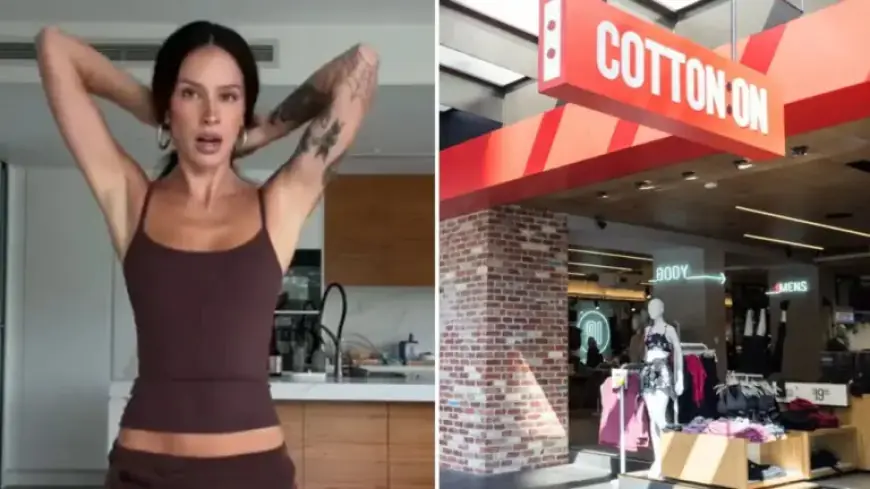
A heated discussion is igniting among consumers regarding recent price hikes at Cotton On, a leading Australian retailer. Many shoppers express frustration over the increasing costs of garments that do not align with their quality. A viral TikTok video, which has garnered over 350,000 views, features a young shopper who highlighted her outrage at the rising prices.
Rising Prices at Cotton On Prompt Consumer Walkouts
The young woman shared her experiences while browsing Cotton On, revealing that a simple outfit cost $80. She observed several groups of shoppers entering the store only to leave without purchasing anything after seeing the inflated prices. “We’re not interested in spending nearly $100 on an outfit,” she noted, emphasizing that Cotton On’s current prices are unmanageable for many consumers.
The Reaction Online
The TikTok video resonated with many cash-strapped young Australians, leading to a flood of comments reflecting similar frustrations. Viewers highlighted instances of exorbitant prices for common items, such as:
- $45 for a kids’ knit cardigan made from 100% polyester.
- Jeans priced at $90 that deteriorate after a few washes.
Opinions varied, with some defending the brand by noting potential bargains in activewear, while others lamented the shift from affordable pricing. “When Cotton On first opened, it was so much cheaper,” one user remarked.
The Economics Behind Price Increases
Experts suggest that the phenomenon of rising prices amid declining quality has a term: “skimpflation.” Evan Lucas, a behavioral economist, explained that despite higher prices, consumers receive lower-quality products. He attributes this trend to various market pressures.
Factors Contributing to Skimpflation
- Rising physical retail costs, with rents soaring by 25% to 50% post-COVID.
- Increased insurance and labor expenses impacting retailers.
- Global supply chain crises arising from conflicts, particularly in the Middle East.
These monetary pressures force brands to reduce production quality, leading to a further disconnect between price and value.
Shifting Consumer Behavior
As prices continue to climb, young shoppers are opting for online alternatives instead of traditional retail outlets. This trend results in declining foot traffic in physical stores, with places like Melbourne’s Chapel Street experiencing significant downturns.
Experts advise that consumers hold power in this situation. “Vote with your wallets,” Lucas stated, emphasizing that retailers will need to adapt if shopping habits shift decisively toward online platforms.
Outlook for the Future
The ongoing adjustments in pricing strategies at fast fashion retailers like Cotton On may push more consumers toward sustainable alternatives or thrift shopping. With inflation pressures gripping the fashion industry, customers are likely to remain vigilant about the value of their purchases.