






















Samson Dev: DLSS 5 Requires Full Pipeline Integration and Extensive Hardware Support

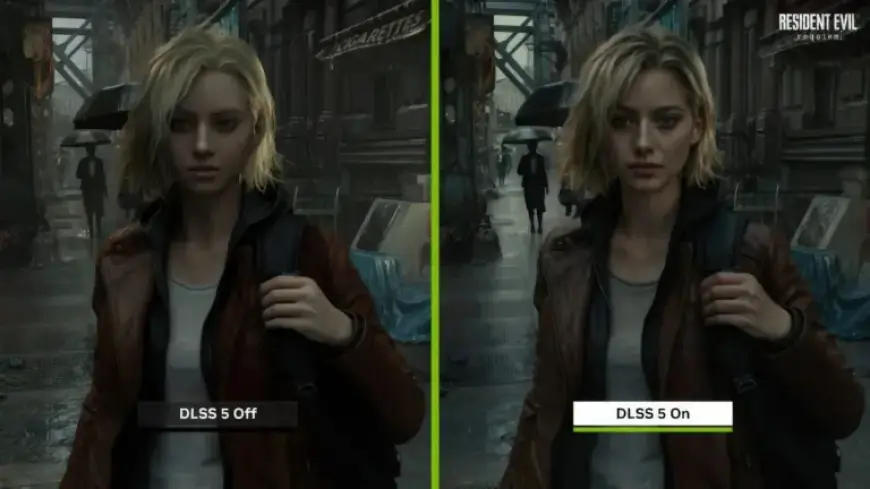
NVIDIA’s recent introduction of DLSS 5 at GTC 2026 has sparked intense discussions in the gaming community. Reactions are polarized, with advocates lauding the advancements and critics highlighting significant concerns. However, the technical requirements and practical implications for game developers often remain overlooked.
Developer Insights on DLSS 5
As game studios weigh the potential integration of DLSS 5, one key perspective comes from Liquid Swords Tech Director, Fredrik Lönn. His comments were shared on the release date of their latest title, “Samson: A Tyndalston Story.” The developers primarily utilized DLSS 4.5 and ray tracing for this game.
Practical Challenges of DLSS 5
- Integration into existing production pipelines
- Hardware limitations affecting user access
- Artistic control over character models and animations
Lönn notes that while they examined DLSS 5, its readiness for production remains uncertain. He emphasized the importance of controlling artistic vision during the development process. For future projects, integrating DLSS 5 could potentially streamline production time, but requires widespread hardware support, which is currently lacking.
Technical Limitations
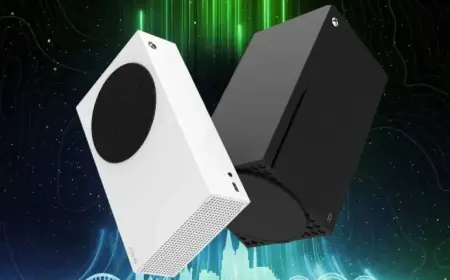
DLSS 5’s reliance on high-performance hardware was highlighted during its demo, which operated on two GeForce RTX 5090 graphics cards. NVIDIA asserts plans to optimize it for single-card use in the future. Yet, this performance requirement vastly exceeds the capabilities of current platforms like PlayStation 5 and Xbox Series S/X.
Implications for Game Development
The demands for full integration into game engines, such as Unreal, are high. Developers currently have limited control, restricted to adjusting color, intensity, and motion vectors. For DLSS 5 to be viable, it needs to address these gaps while accommodating developers’ needs for compatibility across various platforms.
Conclusion: The Future of DLSS 5
As DLSS 5 approaches launch, developers remain cautious. Understanding its implications for hardware requirements, artistic control, and production efficiency is vital. The success of this technology may ultimately depend on resolving these challenges, which could determine its adoption across the gaming industry.