






















Windows and Xbox Shift Focus to User Feedback: Is It a Panic Move?

In 2023, Microsoft shifted its focus significantly toward user feedback regarding its Windows and Xbox platforms. This move has raised questions about whether it is a strategic pivot or a reaction to ongoing challenges.
Microsoft’s Response to User Expectations
Historically, Microsoft had appeared indifferent to the needs of its Xbox community. However, this year marked a notable change, as the company reintroduced Xbox FanFest globally. In addition, Microsoft revealed plans to enhance the Xbox Series X|S with rapid updates.
On the Windows side, the dissatisfaction grew after the controversial integrations of Microsoft Copilot into Windows 11. Recently, Microsoft acknowledged these concerns and committed to improving the operating system, prioritizing long-requested features like the vertical taskbar. The resurgence of Windows Insider meetups further signals Microsoft’s intent to engage users actively.
The Background of Microsoft’s Shift
Microsoft’s CEO Satya Nadella, in a candid blog post, addressed the company’s direction in technology, particularly around artificial intelligence (AI). He highlighted the term “Microslop,” indicating user backlash against a vision where AI is integrated into daily life.
This scrutiny stems from Microsoft’s deep financial ties with OpenAI, where it invested over $13 billion. Recent speculation suggests that a partnership fallout between Microsoft and OpenAI might be imminent, particularly concerning OpenAI’s collaborations with companies like Amazon and SoftBank.
Challenges in the AI Landscape
Despite being a front-runner in the AI debate, Microsoft faces significant hurdles. Its Azure cloud service, which is critical for profitability, has been burdened by the operational costs associated with AI workloads. These workloads demand extraordinary resources, which could jeopardize Azure’s financial health.
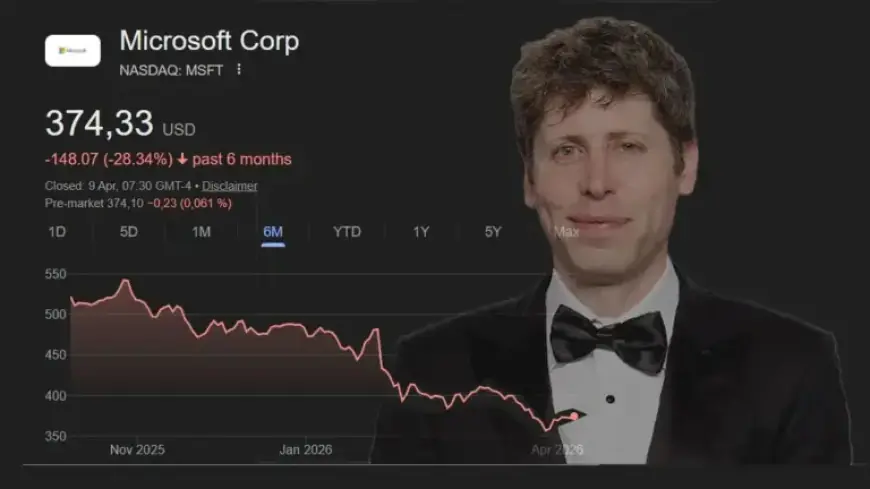
- Market concerns have resulted in substantial losses for Microsoft’s market capitalization.
- Nearly half of planned U.S. data centers for 2026 face cancellation or delay.
Experts estimate that OpenAI may not generate profit until 2030, complicating Microsoft’s financial forecasts and strategies. The dependency on Azure for AI infrastructure has become a double-edged sword for Microsoft.
Public Perception and Future Implications
The public sentiment towards Microsoft has notably worsened, with criticism directed at its AI commercialization efforts. Microsoft’s reputation now teeters on the brink, prompting concerns about its long-term viability in an increasingly competitive tech environment.
Despite recent advancements, the damage to Microsoft’s public image could take years to mend. Analysts argue that this year’s changes stem from a combination of necessity and potential panic, as Microsoft grapples with ensuring its relevance in the evolving tech landscape.
As Windows and Xbox regain a focus on user-centric improvements, the question remains: Is this a proactive strategy or simply a reaction to overwhelming criticism? The answer may shape Microsoft’s trajectory in the coming years.