





















LNG Canada Gas Flaring Far Exceeds Legal Limits, Documents Reveal

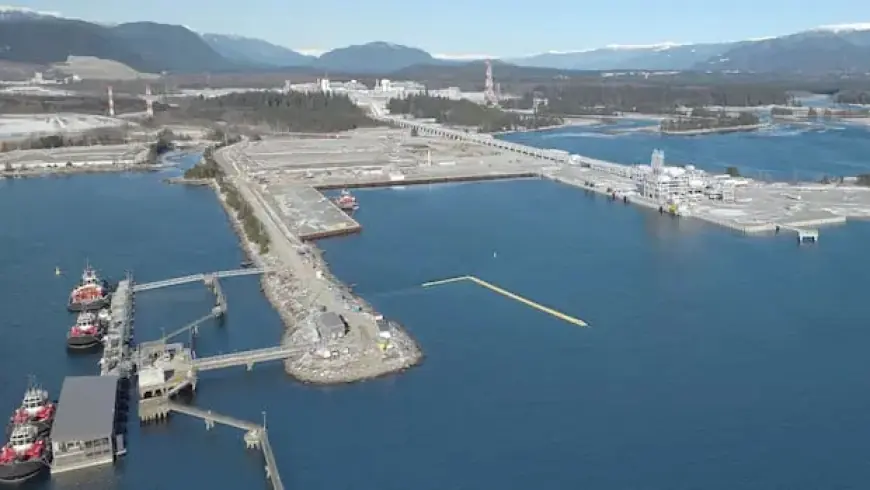
Documents reveal that the flaring of gas at the LNG Canada facility on British Columbia’s North Coast has significantly exceeded permitted levels. Researcher Laura Minet from the University of Victoria obtained air emissions reports submitted to the B.C. Energy Regulator through freedom of information requests.
LNG Canada Flaring Data
The reports, spanning from October to January, categorize flaring into three types: warm/wet, cold/dry, and storage/loading. The findings indicate alarming discrepancies between actual flaring volumes and allowed limits:
- Warm/wet flares exceeded permits by 45 times on average.
- Cold/dry flares surpassed permitted levels by 40 times.
- Storage/loading flaring was five times over the limit.
Facility Operations and Flaring Concerns
The facility in Kitimat, B.C., processes natural gas into liquid form for export to Asia. An LNG Canada spokesperson stated that increased flaring is typical during initial operations. They assured that flaring would significantly decrease once regular operations commence.
Energy Minister Tim Hodgson highlighted Canada’s potential to become a major liquefied natural gas (LNG) supplier globally. If production targets are met, Canada could supply up to 100 million tonnes annually.
The spokesperson emphasized that flaring is a safety measure regulated provincially, intended for controlled combustion of natural gas. Data from monitoring stations indicated that pollution levels, including nitrogen and sulfur dioxide, remained low.
Community Engagement and Environmental Impact
LNG Canada actively communicates with local communities, First Nations, and government representatives about flaring events. Since March, 10 notifications regarding flaring have been issued, including one incident where flames reached heights between 10 and 15 meters.
Health and environmental groups are raising alarms about the possible health impacts of flaring emissions. Laura Minet’s research indicates that flaring levels at various LNG facilities worldwide can be high during the startup phase, often lasting about two years.
Call for Compliance
Minet expressed concern over the consistently high numbers over the permitted limits, stating, “They should comply with the flaring permits. It’s surprising that they haven’t consistently for many, many months.”
Her work suggests the need for including high flaring volumes in environmental assessments for similar projects in the future.
LNG Canada, which is a collaboration between Shell and four Asian companies, also plans to review significant capacity expansion, indicating a proactive approach to community input and environmental responsibility amidst ongoing operational challenges.