

























Restored Heritage Awaits Effective Governance

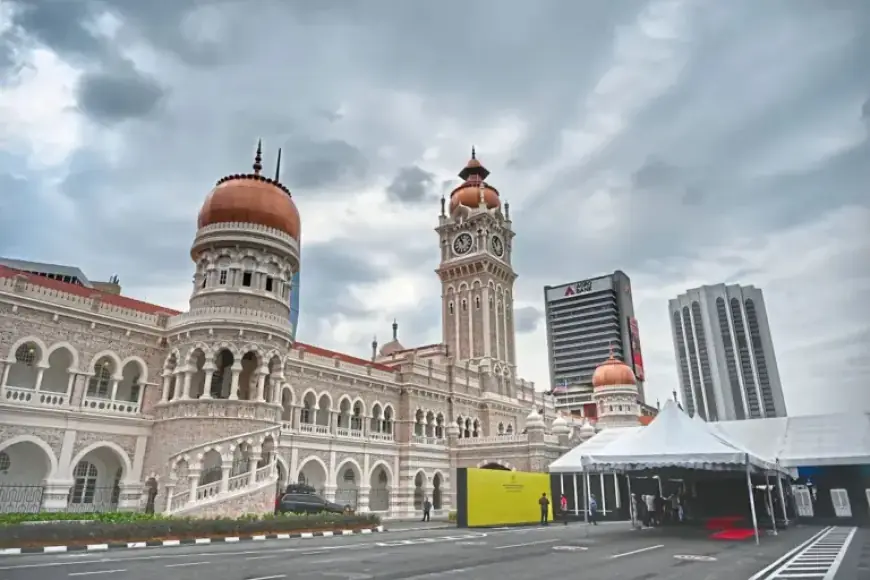
The recent restoration and public reopening of Bangunan Sultan Abdul Samad has refocused attention on Kuala Lumpur’s built heritage. Visitors now enter its halls to connect with the city’s past and to use the space for events and gatherings.
From restoration to use
Restoration has made the landmark visible and usable again. Programming such as cafes and exhibitions now activates the site.
These steps show that restored heritage adds contemporary value. Yet activation alone cannot secure a building’s future.
The governance gap
Long-term viability hinges on how sites are governed, funded and managed. The critical question is which institutions will assume these duties in Kuala Lumpur.
Many secondary heritage sites remain underutilised. Without coordination, conservation may become piecemeal instead of systemic.
Lessons from abroad
England offers a structured approach. The state retains ownership, while the English Heritage Trust operates sites under a long-term licence.
Historic England provides strategic oversight. The trust runs programming, maintenance and revenue generation, without owning the assets.
Assets cannot be sold or redeveloped without government approval. Trustees and government review balance independence with accountability.
What Kuala Lumpur must decide
The Warisan KL initiative signals ambition to revive the historic core. But the next step requires clear legal and institutional frameworks.
It is not yet defined how restored properties will be managed post-renovation. Nor is it clear how accountability will be anchored in law.
Balancing commerce and conservation
Commercial uses can sustain heritage buildings if rules protect conservation standards. Public access must remain central to any business model.
Policies should require that revenue supports upkeep and programming. This ensures commercial activity complements preservation goals.
A call for system-wide planning
Heritage buildings are part of a wider urban system connecting history, economy and public life. Fragmented projects risk becoming isolated successes.
To endure, restored heritage needs effective governance that links funding, operations and legal safeguards. Only then will restored sites continue to serve the public.
Reporting for Filmogaz.com.