























LNG Canada Exceeds Permitted Gas Flaring Volumes, Documents Reveal

Recent documents reveal that LNG Canada has exceeded the permitted gas flaring volumes at its facility in British Columbia. This increase in flaring was particularly notable between October and January, according to air emissions reports obtained by Laura Minet, a researcher at the University of Victoria.
LNG Canada Flaring Violations
Minet accessed these reports through freedom of information requests, which provided detailed insights into the flaring activities at the plant. The flaring sources were categorized into three types: warm/wet, cold/dry, and storage/loading.
Flaring Statistics
- Warm/wet flares exceeded permitted volumes by an average of 45 times.
- Cold/dry flares surpassed limits by 40 times on average.
- Storage and loading flares exceeded permitted levels by five times.
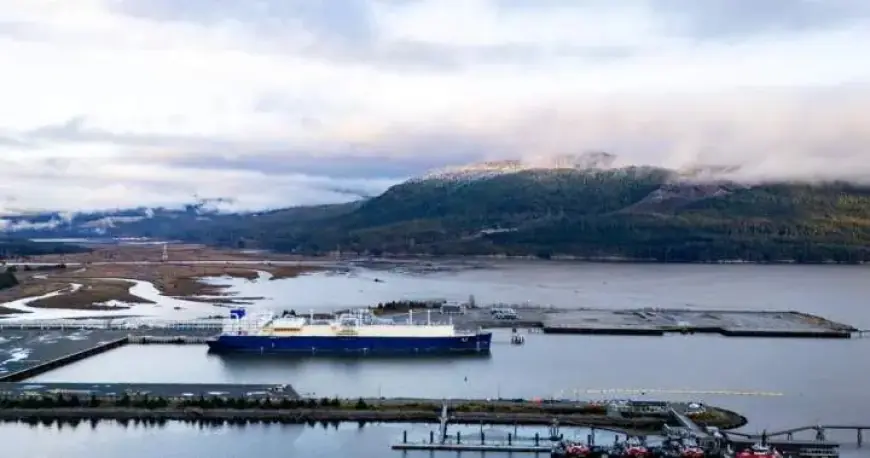
The LNG Canada plant in Kitimat, B.C., converts natural gas into liquid form for transportation across the Pacific to markets in Asia. A spokesperson for LNG Canada stated that increased flaring is expected during the facility’s initial operational phase, asserting that flaring will significantly decrease during regular operations.
Community Impact and Notices
Since March, LNG Canada has issued ten community notifications regarding flaring events. These alerts informed residents about flaring activities, including one event that lasted three hours and produced flares reaching heights of 10 to 15 meters.
Local environmental and healthcare organizations have raised concerns about the health effects of emissions from flaring. However, LNG Canada has reported that air quality monitoring indicates consistent low levels of nitrogen dioxide and sulfur dioxide over the past year.
Regulatory Framework and Future Plans
LNG Canada emphasizes that flaring is a provincially regulated safety measure. It ensures the controlled combustion of natural gas during operational phases, which is critical for the safe functioning of such a large facility.
The facility, being the first of its kind in Canada, is partly owned by Shell and four Asian companies. They are considering plans to double its capacity, which is currently under a fast-tracked review by the federal major projects office.
Research Implications
Minet has researched global LNG flaring practices and points out that many plants experience high flaring during their startup phases, typically lasting about two years. She highlights the need for environmental impact assessments to account for elevated flaring volumes during this time.
Overall, the findings indicate that LNG Canada must address its compliance with flaring limits to mitigate environmental and community impacts effectively.