
























Asia’s Airports Disrupted: Over 3,800 Flights Delayed in April 2026

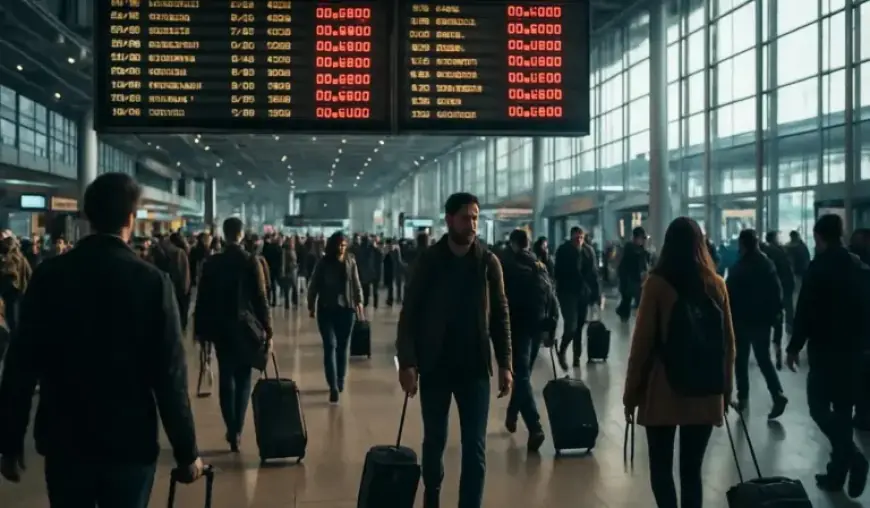
On April 7, 2026, major Asian air hubs endured widespread disruption. Aviation trackers logged more than 3,800 delayed flights and roughly 260 cancellations that day.
Scale and locations affected
Delays clustered at primary gateways across East and Southeast Asia. Affected airports included Tokyo Narita and Haneda, Hong Kong International, Singapore Changi, Guangzhou Baiyun, Shenzhen Bao’an, Incheon, Beijing Capital, Manila Ninoy Aquino, and New Chitose.
Some facilities recorded triple-digit delay totals. Individual airports processed between 200 and 600 delayed departures in a single operational day.
Primary causes
Multiple factors converged to overwhelm regional networks. Severe weather, peak holiday demand, infrastructure limits, and fuel and routing pressures combined.
- Weather: Thunderstorms, strong winds, and reduced visibility forced air traffic control restrictions. These measures cut arrival and departure rates at key hubs.
- Holiday surge: The Easter and Qingming Festival overlap drove heavy passenger volumes. Immigration and terminal flows rose sharply at major cities.
- Infrastructure stress: Terminal relocations and apron maintenance reduced flexibility. Incheon Terminal 2 and parts of Singapore Changi faced operational constraints.
- Fuel and routing: Middle East tensions and maritime chokepoint issues tightened jet fuel supplies. Airlines added refueling stops and rerouted flights, increasing delays.
Network ripple effects
The initial disruptions quickly cascaded along connecting routes. Aircraft out of position and crew shortages multiplied knock-on delays.
Industry monitoring earlier in April recorded similar strains. On April 3, weather and control limits contributed to nearly 4,000 flight delays and about 300 cancellations at several Asian and Middle Eastern hubs.
Passenger volumes and mobility
Holiday movements intensified pressure on immigration and ground handlers. Hong Kong reported over one million cross-border movements on the first holiday day.
Peak departures concentrated in morning windows at Bangkok, Singapore, Seoul, and Manila. Ground handling and security screening operated at near capacity.
Airlines and route impacts
Both full-service and low-cost carriers reported severe operational knock-on effects. Carriers adjusted schedules, reduced frequencies, and in some cases suspended services.
| Airline | Primary region | Reported impact (early April) |
|---|---|---|
| Japan Airlines (JAL) | Japan / East Asia | 150+ Haneda delays; ongoing recovery |
| All Nippon Airways (ANA) | Japan | Narita/Haneda congestion; cascading backlog |
| Cathay Pacific | Hong Kong | 200+ delays at HKG; long waits |
| Singapore Airlines | Singapore / regional | Terminal constraints; limited flexibility |
| China Eastern / China Southern | Mainland China | Weather and congestion; severe delays |
| AirAsia, Cebu Pacific, Lion Air, SpiceJet | Budget carriers across Asia | Point-to-point network cascades amplified |
| Korean Air / Asiana | South Korea | Incheon Terminal 2 constraints; rerouting |
| Thai Airways / Thai Lion | Thailand / SE Asia | Regional connection delays; ongoing disruption |
Who felt the impact most
Traveling professionals and digital nomads reported major disruption to schedules. Missed connections led to unplanned hotel stays and canceled meetings.
Budget travelers experienced amplified effects. Dense point-to-point networks mean one late departure can affect multiple downstream flights.
Additional routing and timing consequences
Rerouting around restricted airspace added travel time for many passengers. Alternatives through Europe or Central Asia extended trips by six to 14 hours.
Long-haul carriers trimmed frequencies to manage fuel and crew constraints. Some Singapore- and Hong Kong-Gulf services faced cancellations into late April and May.
Practical advice for travelers
- Monitor live flight data. Check FlightAware or similar platforms every few hours before travel.
- At the airport, recheck status every 20 to 30 minutes once your flight is imminent.
- Know airline disruption policies. Review refund, rebooking, and accommodation entitlements.
- Consider travel insurance that covers delays and cancellations during peak seasons.
- Allow longer connection times when booking during holidays.
Asia’s airports experienced over 3,800 flights delayed in April 2026. The events underline how quickly linked networks can become overwhelmed.
Filmogaz.com will continue covering operational developments and recovery updates. Expect airlines and airports to publish revised schedules and guidance in the coming days.