






















LNG Canada Exceeds Permitted Gas Flaring Volumes: Documents Reveal

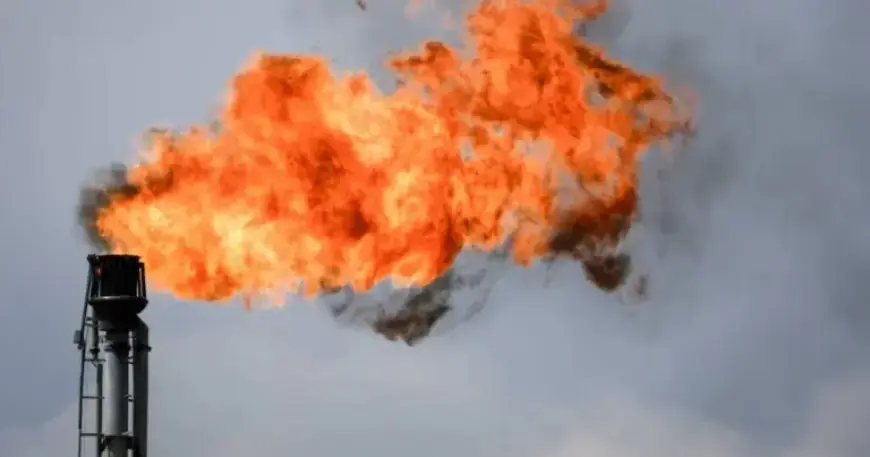
Recent documents reveal that LNG Canada’s gas flaring activities at its British Columbia facility have significantly exceeded permitted limits. This information comes from monthly air emissions reports obtained by Laura Minet, an air quality researcher at the University of Victoria, through freedom of information requests.
LNG Canada Exceeds Permitted Gas Flaring Volumes
These reports detail that from October to January, flaring from different sources surpassed allowable volumes considerably. The findings are categorized into three groups:
- Warm/Wet Flares: Exceeded permitted levels by an average of 45 times
- Cold/Dry Flares: Surpassed limits by approximately 40 times
- Storage and Loading Flares: Exceeded by five times
The LNG facility, located in Kitimat, British Columbia, processes natural gas by chilling it into a liquid form. This allows it to be transported via specialized tankers to markets in Asia.
Operations and Flaring Reasons
LNG Canada representatives indicated that the facility is currently in its early operational phase. Increased flaring is expected during this time but is predicted to decrease during regular operations. The project marks Canada’s first LNG facility, developed by Shell and four Asian corporations, with discussions ongoing about doubling its capacity.
As part of its operations, LNG Canada has issued ten community notifications about flaring events since early March. One recent flare event lasted three hours, producing flares of 10 to 15 meters in height, accompanied by noise and visible emissions.
Health and Environmental Concerns
Environmental groups are raising alarms about the potential health impacts of the pollutants emitted through flaring. Although LNG Canada reports that air quality monitoring shows low levels of nitrogen dioxide and sulfur dioxide over the past year, researchers like Minet emphasize the need for accountability regarding environmental impacts.
Research Insights
According to Minet, LNG facilities globally tend to have startup phases marked by significant flaring, typically lasting around two years. She expressed surprise at the consistent exceedance of flaring limits by LNG Canada, suggesting that compliance with these permits is crucial for environmental assessments.
The information provided sheds light on the operational challenges and environmental implications surrounding LNG Canada’s startup phase. As discussions about the future of the facility progress, the monitoring of flaring practices will remain vital to ensure compliance and public health safety.