
















‘Hacks’ Concludes with a Self-Celebratory Final Season

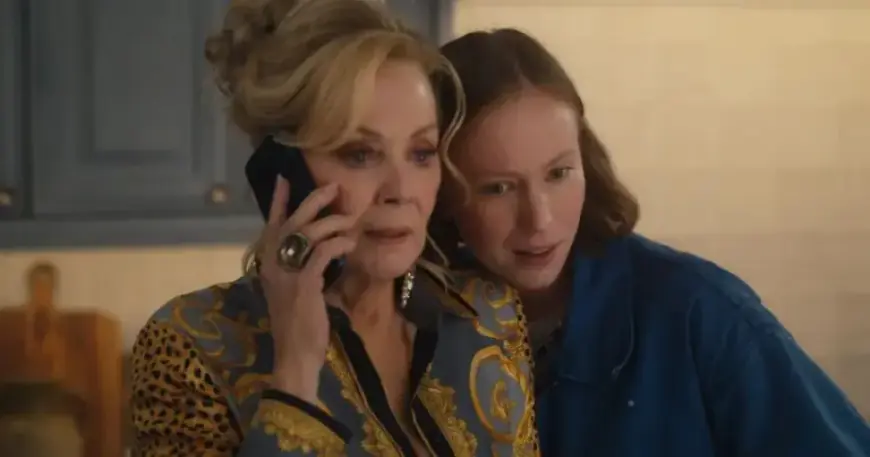
The series “Hacks” has garnered significant acclaim across its five-season run, establishing itself as a unique blend of comedy and social commentary. As it draws to a close, the final season embraces its legacy while reflecting on broader issues within the entertainment industry.
“Hacks” Final Season Overview
The final season of “Hacks” has shifted its focus from past rivalries to a more collaborative approach between its main characters, Deborah Vance and Ava Daniels. This change allows the series to explore new narratives while maintaining its signature themes of feminism and intergenerational friendship.
A Milestone Journey
Since its inception, “Hacks” has achieved several milestones:
- Won multiple Emmy Awards and a Peabody Award.
- Critically acclaimed with a dedicated fan base.
- Elevated the careers of its lead actors, including Jean Smart and Hannah Einbinder.
The series has evolved from a sharp Hollywood satire into a more earnest commentary on free speech and media consolidation, particularly in its fifth season.
Thematic Shifts
In previous seasons, the tension between the washed-up comedian Deborah and the struggling writer Ava drove the narrative. However, in the final season, the characters unite against pitfalls of the entertainment business, particularly mismanagement and corporate greed.
Deborah’s struggle against invasive corporate executives, epitomized by her billionaire boss Bob Lipka, underscores a progressive narrative. The series portrays her journey toward reclaiming her voice after being silenced by corporate pressures.
Key Events in Season Five
The fifth season opens with Deborah planning a significant comeback at Madison Square Garden. This event will highlight her experiences of censorship and reclaim her narrative, reflecting her growth and resilience.
- Deborah collaborates with Ava on new stand-up material.
- She also works on a hotel renovation in Las Vegas.
- The season addresses the importance of free speech in comedy.
Reflections on Comedy and Culture
The series touches on the intertwining nature of culture, business, and art in Hollywood. Deborah’s character serves as a voice for free expression, emphasizing the role of comedy in challenging societal norms.
Guest appearances from renowned figures, like playwright Tony Kushner, offer further depth to the narrative. These moments foster reflection on the impact of Deborah’s career, particularly her breakout role in “Who’s Making Dinner?”.
Final Thoughts
As “Hacks” concludes, it echoes enduring themes of empowerment and resilience. The series champions the notion that comedy can serve as a powerful tool against oppression, inviting viewers to consider the stakes of free speech in today’s media environment.
The final season, through its humor and sincerity, encapsulates the essence of “Hacks” – not just as a show about comedy, but as a celebration of its place in culture and society.