






















Pakistan Brokers US-Iran Ceasefire: What Comes Next?

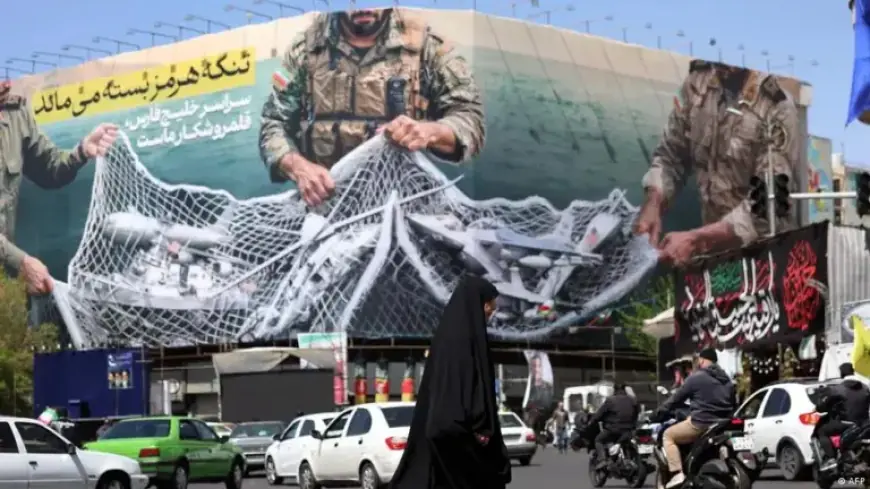
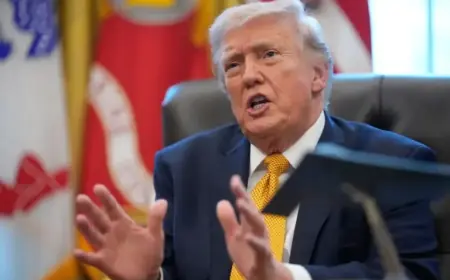
Pakistan has stepped in as a mediator between the United States and Iran, achieving a temporary ceasefire that marks an important diplomatic milestone. The ceasefire proposal, initiated by Pakistani Prime Minister Shehbaz Sharif, was accepted by US President Donald Trump, who agreed to halt military action against Iran for two weeks. This agreement hinges on Iran’s commitment to fully open the Strait of Hormuz.
Ceasefire Agreement Overview
The ceasefire announcement came just before a deadline set by Trump, who had previously warned of severe consequences for Iran. Raja Qaiser Ahmed, an expert from Quaid-e-Azam University, indicated that Pakistan’s role was crucial in facilitating this pause by maintaining communications with both Washington and Tehran.
Key Contributions of Pakistan
- Pakistan served as a credible intermediary, fostering backchannel dialogues.
- The government coordinated diplomatic efforts to align interests around de-escalation.
- Maintained good relations with both the US and Iran, which facilitated negotiations.
Experts believe that strengthening a permanent deal between the two nations is Islamabad’s next goal. Elizabeth Threlkeld of the Stimson Center noted that sustaining momentum in negotiations is vital before the diplomatic window closes.
Challenges Ahead
Despite the initial success, significant tensions still exist. The Pakistani government has invited delegations from both nations to Islamabad for further discussions. Yet, challenges remain in achieving a lasting peace agreement, especially concerning Iran’s mistrust of Washington.
Uncertainties and Sticking Points
As negotiations unfold, several critical issues need to be addressed:
- Iran’s nuclear program and uranium enrichment.
- The control and access of the Strait of Hormuz.
- Potential economic waivers for Iran amid sanctions.
Analysts caution that the path to a durable resolution may still be rocky. Pakistan’s ability to mediate effectively will depend on both sides demonstrating good faith in negotiations.
Conclusion
While the ceasefire is a notable step forward, the situation remains tenuous. Pakistan’s role as a mediator may prove essential in fostering dialogue and minimizing conflict risks. As both the US and Iran navigate their respective domestic pressures and foreign relations, the future of this ceasefire—and its potential transformation into a lasting peace agreement—will depend on ongoing diplomatic efforts.