
























Kuwait Attack Survivors Challenge Pentagon: Unit “Unprepared” for Defense

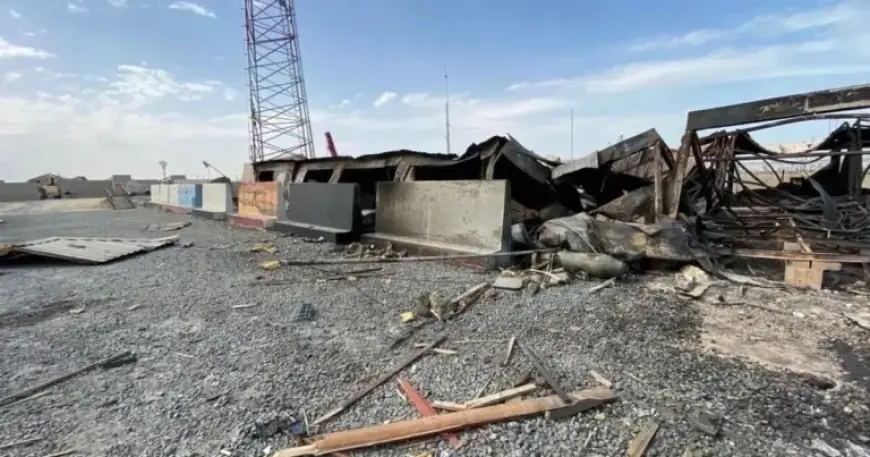
Survivors of a recent drone attack on U.S. forces in Kuwait are challenging the Pentagon’s account of the incident. The attack, which occurred on March 1, 2026, marked the deadliest strike against American troops since the start of the ongoing conflict, resulting in six fatalities and over 20 injuries.
Kuwait Drone Attack: A First-Hand Account
Members of the Army’s 103rd Sustainment Command came forward with alarming revelations about the incident. They criticized the characterization by Defense Secretary Pete Hegseth, who referred to the attack as a situation where a drone “squirter” breached their defenses. One soldier stated that this portrayal was misleading and emphasized that their unit was ill-prepared to defend itself.
Conditions on the Ground
According to the survivors, the military facility at Port of Shuaiba was inadequately fortified against aerial attacks. They described the environment as reminiscent of older military bases, with minimal protective barriers that offered little defense against drone strikes.
- Attack Date: March 1, 2026
- Fatalities: 6 U.S. service members
- Injuries: Over 20
- Location: Port of Shuaiba, Kuwait
Just before the attack, alarms had prompted approximately 60 troops to seek shelter in a cement bunker. Hours later, an all-clear signal misled unit members into assuming they were safe, leading them to return to their duties. Shortly thereafter, chaos ensued as a drone struck their operations center, resulting in severe injuries and overwhelming trauma among the soldiers.
The Aftermath of the Attack
Survivors recounted the immediacy of the crisis, where they had to utilize makeshift bandages and improvised transportation to get their wounded comrades to local hospitals. Despite their efforts, the aftermath was distressing, with concerns that not all injured personnel could be evacuated in time.
One soldier reflected on the gravity of the situation, emphasizing the importance of acknowledging the truth. “Telling the truth is important,” he stated. He expressed pride in their unit’s response despite the chaotic circumstances and stressed the need for improved safety measures in future operations.
Questions About Preparedness
Concerns continue to arise regarding the lack of preparedness for such an attack. Soldiers questioned why their unit remained in an area known to be a potential target despite advancements in drone warfare. Affected personnel shared their disappointment with military leadership’s decisions and the inadequacy of the fortifications in place.
A Pentagon official maintained that measures had been implemented to safeguard troops, though survivors argued that these were insufficient given the circumstances. As the military reviews this incident, discussions about strategic placement and defense capabilities against evolving threats from drone technology remain critical.
As the investigations unfold, the voices of those who survived the attack urge the military to learn from this tragic event to prevent similar occurrences in the future. The ongoing challenges of modern warfare demand a proactive and transparent approach to troop safety and preparedness.