
























Strait of Hormuz Reopens, Yet Ship Traffic Remains Sparse

The recent cease-fire between the United States and Iran has raised questions about the reopening of the Strait of Hormuz. This critical maritime route has seen diminished traffic due to ongoing tensions. As of now, the strait remains largely inaccessible for oil and gas tankers.
Current Status of the Strait of Hormuz
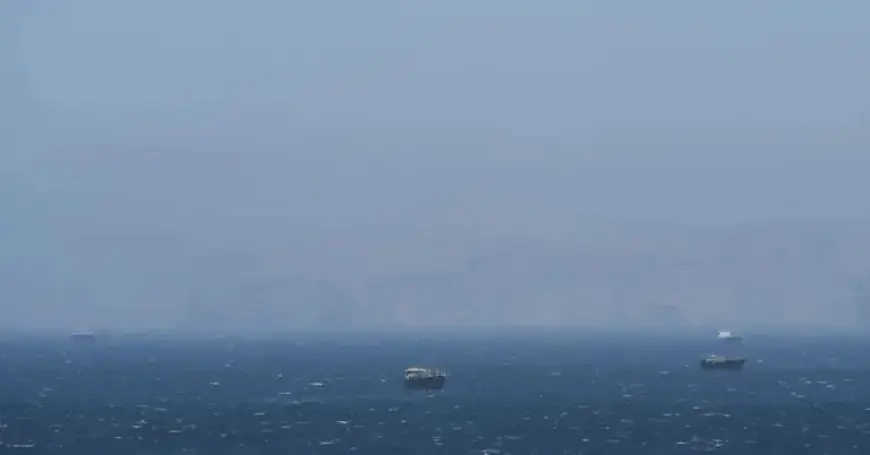
According to ship-tracking data from Kpler, no oil or gas tankers have traversed the strait since the cease-fire took effect on Tuesday. However, four bulk carriers made their way through the waterway. Reports from Iranian state media confirm that the strait has been declared “fully closed,” with some vessels reportedly turned away.
Impact of Conflict on Shipping Traffic
The situation escalated further following a series of Israeli strikes on Lebanon, leading to a suspension of maritime traffic. Current data indicates that no vessels have crossed the strait since these recent developments.
- The last recorded vessel was a cargo ship, tracked at 10:45 a.m. Eastern time on Wednesday.
- Kpler’s insights highlight that the strait is effectively “pretty much closed.”
- Iranian officials state that vessels must coordinate with the navy due to safety concerns regarding mines in the waterway.
Mariners’ Concerns and Official Statements
Mariners and their insurers have expressed caution about resuming operations. They may be hesitant until they are assured of safety. Karoline Leavitt, the White House press secretary, called for the immediate reopening of the strait while downplaying reports about its closure.
Significance of the Strait
The Strait of Hormuz plays a vital role in global energy transportation. It carries approximately:
- A quarter of the world’s seaborne oil.
- One-fifth of the world’s natural gas.
Previously, the strait experienced significant disruptions when Iran responded to U.S. and Israeli military actions by shutting down access, laying mines, and attacking ships. As the situation evolves, the geopolitical implications for this vital waterway remain critical.
Conclusion
The Strait of Hormuz is a focal point of international tensions, particularly with the evolving situation involving Iran and the United States. While a cease-fire is currently in place, shipping traffic remains sparse. The path forward for maritime navigation in this region is uncertain.