




















Hegseth Claims US Achieves ‘Historic’ Victory in Iran Conflict

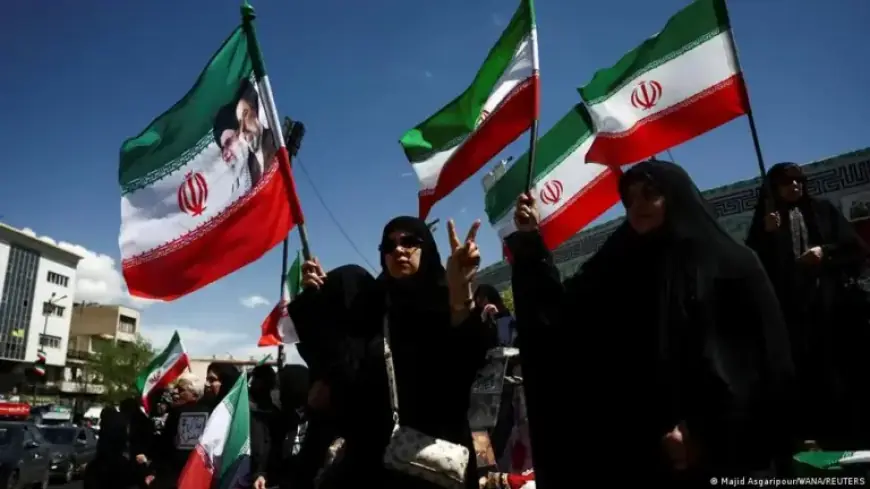
In a recent analysis, Middle East expert Fawaz Gerges described the ongoing conflict involving the United States and Iran as one of the most significant miscalculations made by a sitting American president. Gerges, a professor at the London School of Economics, specifically critiqued former President Donald Trump’s decision to initiate the war, stating it has severely impacted America’s global reputation.
Historic Victory Claims and Miscalculations
According to Gerges, the conflict will likely be regarded as a historic blunder. Trump’s actions have not only damaged his own credibility but have also diminished the standing of the U.S. internationally. The war, he argues, has led to unintended consequences such as the Iranian leadership becoming more emboldened.
Truce and Peace Proposals
Gerges highlighted that Iran was ready to negotiate, particularly presenting a two-week truce that the U.S. could have accepted. He referred to Iran’s 10-point peace proposal as a “wishlist,” which might be contentious for U.S. interests.
Initially, the conflict was driven by a desire for regime change in Iran. However, as the war progressed, Trump’s focus shifted to simply ensuring the security of the Strait of Hormuz, a crucial shipping route. Gerges pointed out that this strait was open prior to the war, and one of the adverse results has been Iran’s ability to hinder shipping activities.
Consequences for the Gulf Region
The war has inflicted significant harm on the Iranian populace, leading to civilian casualties and infrastructure damage. Furthermore, Gerges suggested that U.S. Gulf Arab allies would begin to reconsider their relationships due to dissatisfaction with Trump’s management of the conflict. The security architecture in the region is expected to evolve in response to these changes.
The Future of U.S.-Iran Relations
As the conflict continues, experts predict a weakened position for both the United States and Israel. Gerges noted that Gulf states may not seek to strengthen their ties with Israel, anticipating a paradigm shift in regional dynamics.
- Former President Donald Trump initiated the war with Iran.
- Fawaz Gerges critiques the war as a historic miscalculation.
- Iran’s leadership has become emboldened by the conflict.
- A two-week truce was proposed by Iran.
- Initial U.S. objectives shifted from regime change to securing the Strait of Hormuz.
- U.S. allies are likely to diversify their relationships as a result.
The implications of this conflict are far-reaching, with potential shifts in alliances and security strategies in the Gulf region. The assessment by experts like Gerges underscores the complexity and lasting effects of the U.S.-Iran war.