
























Australian Scientists Replace Solar Panels with Heated Mirrors, Discover Unexpected Results

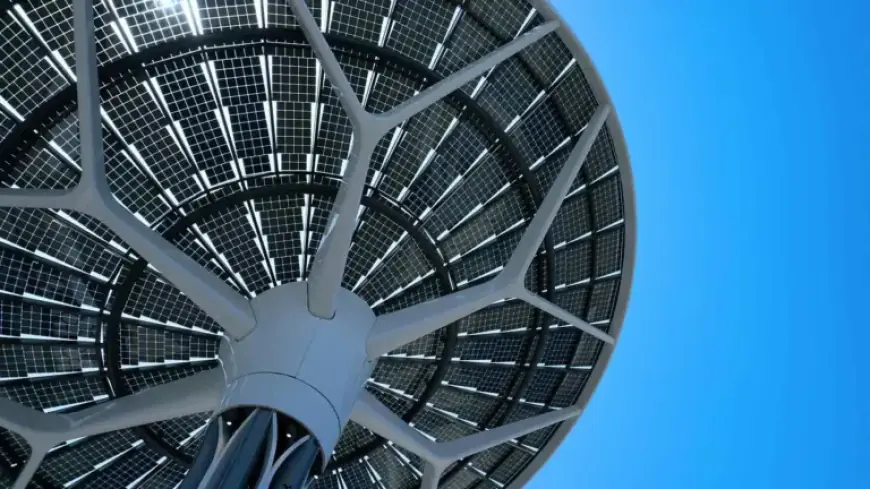
Australian scientists trialled heated mirrors to replace solar panels and recorded unexpected results. Their first-of-its-kind demonstrator used concentrated heat rather than photovoltaic cells.
New demonstrator and mirror design
The research team used lightweight, specialised plastic mirrors instead of heavy glass. These mirrors focused sunlight onto a small receiver.
The setup achieved a peak temperature of 754°F. That heat produced high-pressure steam suitable for industrial tasks.
Applications tested
The demonstrator generated steam for commercial agricultural drying. It also produced conditions useful for mineral processing.
Researchers highlighted simpler production and easier remote deployment. Costs were lower because the mirrors were cheaper and lighter.
Pairing heat with storage
The concentrated heat was integrated with a thermal energy storage system. That combination acts as a heat battery.
Stored thermal energy can be converted to power around the clock. The system therefore supports continuous operation for industry.
How this differs from photovoltaics
Conventional silicon solar panels shed substantial energy as heat. That heat loss reduces delivered power quality for heavy industry.
German Fraunhofer researchers have forecasted theoretical photovoltaic efficiencies near 50 percent. Their work focuses on multi-junction cells to approach that limit.
Even so, high-temperature requirements for mining and large-scale agriculture remain unmet by panels alone. Concentrated solar thermal fills that gap.
Implications for hard-to-abate sectors
Concentrating solar thermal could supply the extreme heat many industries need. The approach promises lower carbon footprints for heat-intensive processes.
Using plastic mirrors may speed deployment in remote or dispersed operations. The method could broaden access to industrial-grade solar heat.
Filmogaz.com will continue to follow developments and assess real-world trials. Further testing will determine commercial viability and long-term performance.