











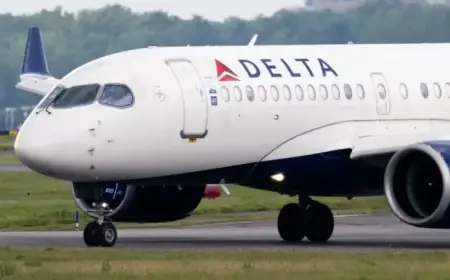













Flight Cancellations Threaten Holidays Amid Fuel Shortages and Rising Costs

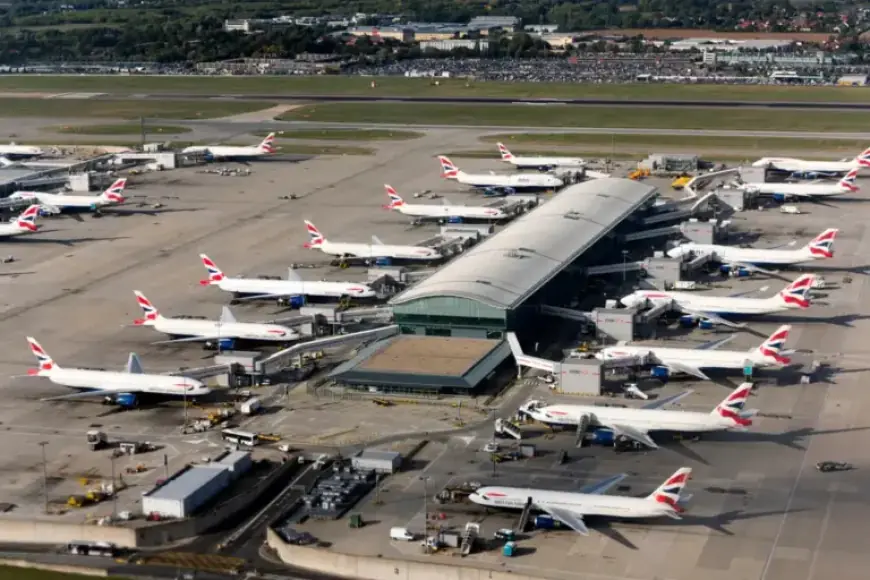
Global aviation is under fresh pressure as conflict in the Middle East raises fuel costs. Airlines are altering schedules and adding surcharges. Passengers face uncertainty over flight cancellations and rising costs.
Recent network cuts
On 7 April Air New Zealand reduced its domestic services for May and June. The airline said one in 25 flights will be grounded. The carrier blamed sharply higher jet fuel prices for the change.
Smaller UK operators have also adjusted timetables. Aurigny suspended some Guernsey links and added a £2 fee to new bookings. Skybus removed the Gatwick–Newquay service.
Fuel supplies and government warnings
Australia’s government reported about 30 days’ supply of jet fuel remaining. The warning heightened industry concern about short-term availability. The Department for Energy Security and Net Zero told Filmogaz.com that jet fuel shipments continue to arrive in the UK.
The UK receives jet fuel imports from India, the United States and the Netherlands. The department added that additional smaller sources supply the market. Still, industry visibility beyond April is limited.
Regional impacts: Asia, Europe and beyond
Parts of Asia are more exposed to disruptions. Some carriers in Vietnam and the Philippines have cancelled domestic and international services. Pakistan advised foreign pilots to carry maximum fuel on arrival, and to minimise local uplift.
European carriers face different pressures. Ryanair’s chief executive warned of potential supply disruptions in May and June if the conflict persists. He estimated 10–25% of his airline’s fuel supplies might be at risk during that period.
Shifts in route strategy
British Airways and Virgin Atlantic are increasing flights to Asia. They hope to fill gaps left by Gulf operators. Passengers are avoiding hubs flagged by travel advisories, such as Dubai, Abu Dhabi and Doha.
Financial impact and cancelled services
Some cancellations stem from profitability, not only supply shortages. United and SAS have scrapped thousands of flights. Rising jet fuel costs have turned marginal services into loss-making ones.
Many carriers locked in lower fuel costs with hedging. Those airlines say they will not surcharge existing bookings. Low-cost and some overseas operators are introducing one-off fuel fees.
Passenger rights and holiday bookings
Travellers on flights departing the UK or EU, or on British or European carriers, have strong protections. Airlines must offer rerouting close to the original schedule. They must also provide meals and accommodation for long delays.
Package holiday firms can request extra payment under the Package Travel Regulations. If a proposed surcharge reaches or exceeds 8%, customers can cancel for a refund. An 8% fee equals about £80 on a £1,000 holiday.
Industry comments and outlook
AirAsia X said it has applied fare adjustments, including a fuel surcharge across its network. Kenton Jarvis of easyJet warned the sector has thin margins. He noted carriers typically earn only about £7 per seat.
Analysts expect higher fares later in the year as fuel hedges unwind. That will add to the pressure from fuel shortages and rising costs.
Advice for travellers
Travel experts advise against panic buying. Booking can secure consumer protections if a flight is later cancelled. Travellers should check protections and refund rights before committing.
- Monitor airline and government updates regularly.
- Check the terms for package holidays and surcharges.
- Keep records of communications and receipts for claims.
Flight cancellations may threaten holidays this season. But strong passenger rights provide recourse when operators alter services.