


















Franklin Graham Remains Silent on Trump’s Truth Social Iran Threat

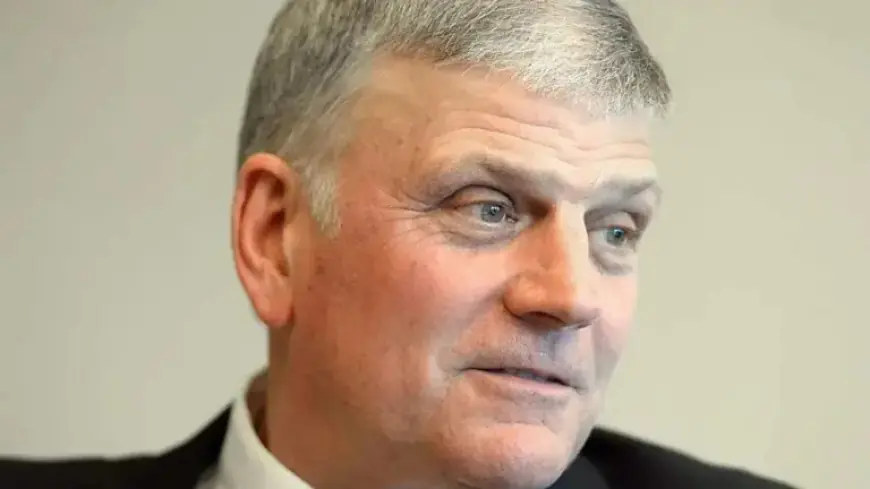
On Easter Sunday, evangelist Franklin Graham delivered a sermon that highlighted themes of peace and forgiveness. Meanwhile, President Donald Trump made headlines by posting controversial comments on Truth Social, targeting Iran and Islam.
Trump’s Threats on Truth Social
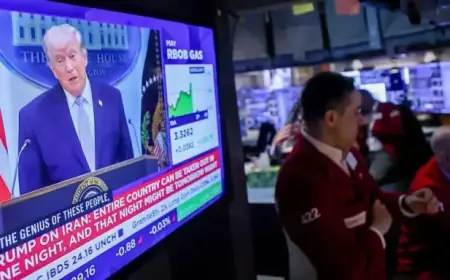
On the same day as Graham’s sermon, Trump warned Iran on his social media platform. In a post, he declared that Tuesday would be “Power Plant Day” and “Bridge Day” in Iran. Trump’s message included inflammatory language and threats about the consequences of not reopening the Strait of Hormuz.
- Trump mentioned that if Iran did not comply, infrastructure, including power plants, could face attacks.
- He asserted that the “entire country could be taken out.” The deadline for Iran was set for 8 p.m. Tuesday.
Franklin Graham’s Response
When asked about Trump’s remarks, Graham refrained from denouncing him. He acknowledged that Trump sometimes uses language he does not personally agree with but expressed his support for the president’s intentions.
Graham stated, “President Trump is trying to protect the world from a very serious nuclear threat.” He underscored his faith in Trump’s leadership during turbulent times.
Political Alliances and Support
Graham serves as the CEO of Samaritan’s Purse and the Billy Graham Evangelistic Association. He is a known ally of Trump, advocating for candidates who support the MAGA agenda during the midterm elections.
In March, Trump shared a letter from Graham’s son, which included assurances about Trump’s spiritual future if he followed Jesus Christ. This correspondence followed Trump’s role in brokering a ceasefire between Israel and Hamas.
Escalating Tensions with Iran
The context of Trump’s comments stems from a recent escalation involving Iran. Following U.S. and Israeli attacks on February 28, Iran shut off access to the Strait of Hormuz, a key route for global oil transport. This resulted in soaring gas prices across the United States.
Trump’s rhetoric has drawn criticism from various groups, including the Council on American-Islamic Relations. They condemned his statements as inflammatory, suggesting they contribute to a broader pattern of anti-Muslim sentiments.
Implications of Trump’s Language
The council’s statement highlighted the problematic use of religious references by Trump, noting the “disturbing willingness to weaponize religious language.” They emphasized that such comments do not exist in isolation but rather reflect enduring biases against Muslims worldwide.
As tensions rise, both Graham’s supportive stance and Trump’s aggressive rhetoric present a complex narrative in American political and religious landscapes.