





















Iran Agrees to Ceasefire, Reopens Hormuz if Attacks Stop

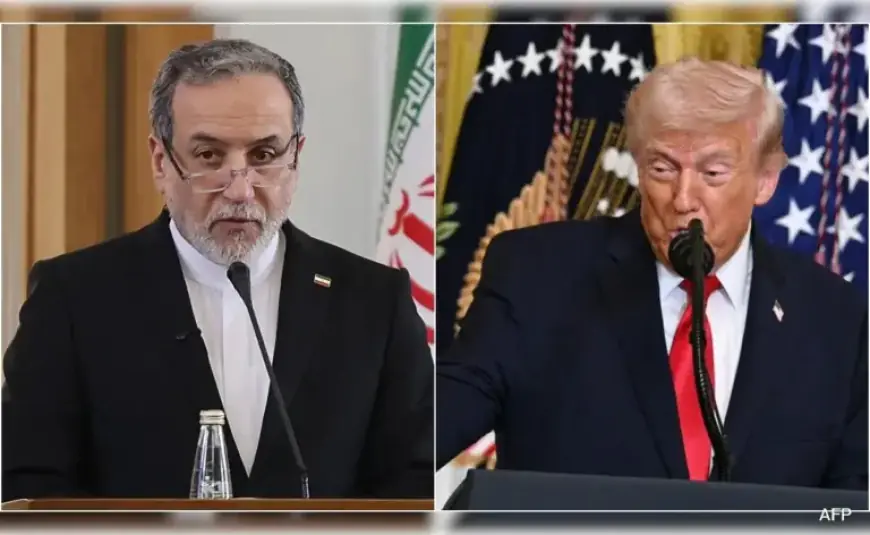
Iran accepted a US-brokered two-week pause in hostilities minutes after President Donald Trump announced the truce. Tehran’s foreign ministry said its armed forces would stop defensive actions if attacks against Iran cease.
Terms announced by Tehran
Foreign Minister Seyed Abbas Araghchi posted the decision on X on April 7, 2026. He said the declaration was made on behalf of Iran’s Supreme National Security Council.
Araghchi thanked Pakistan’s prime minister, Shehbaz Sharif, and army chief Field Marshal Asim Munir. He credited their mediation for helping to end the fighting.
US position and conditions
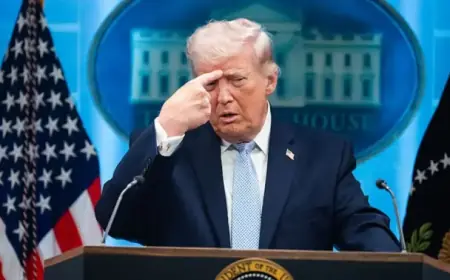
President Trump described the arrangement as a “double-sided ceasefire.” He said the United States had received a 10-point proposal from Iran and found it workable for negotiations.
Trump added the halt was aimed at finalizing a longer-term agreement. He insisted the pause was conditional on Iran agreeing to the COMPLETE, IMMEDIATE, and SAFE OPENING of the Strait of Hormuz.
Negotiation framework
The US referenced a 15-point negotiation outline in its outreach. Officials said Tehran’s 10-point paper and the US framework provided a basis for talks.
Strait of Hormuz and maritime access
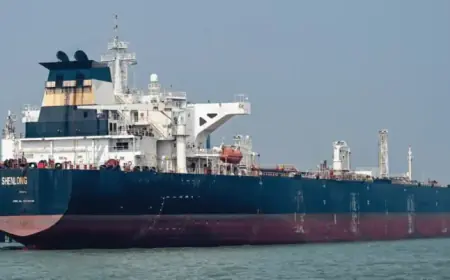
Tehran said the Strait of Hormuz would remain open during the two-week pause. Iran allowed safe passage under coordination with its armed forces and subject to technical constraints.
Headline coverage quickly summarized the move as Iran Agrees to Ceasefire, Reopens Hormuz if Attacks Stop amid diplomatic pressure. The measure aims to calm shipping and regional tensions.
Immediate next steps
The ceasefire starts a two-week window for formal negotiations and verification. Both capitals signaled readiness to use that time to finalize terms for a durable settlement.
Regional mediators will continue shuttle diplomacy. Washington and Tehran face a tight schedule to translate the truce into lasting arrangements.