
















Iran Intensifies Attacks on Israel Following Trump’s Ultimatum Extension

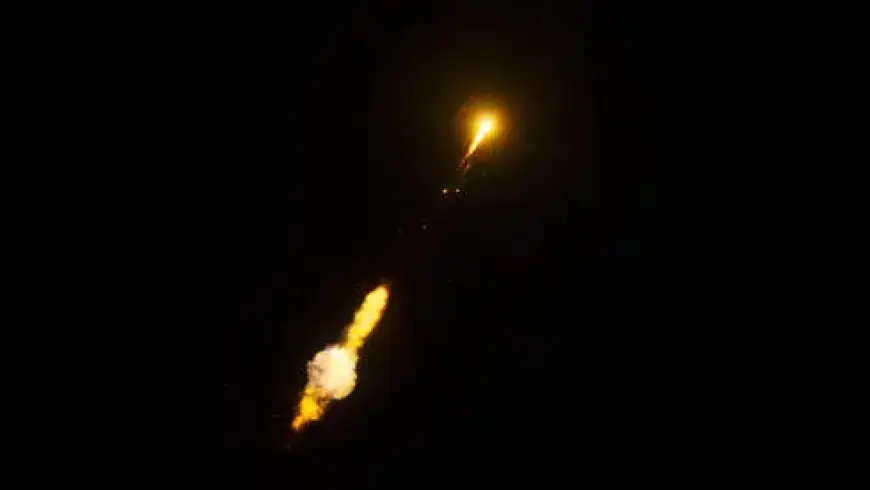
Iran launched multiple missile barrages at Israel early Wednesday. The strikes triggered sirens across central, southern and northern parts of the country.
Context and timing
The attacks came after U.S. President Donald Trump announced a two-week suspension of bombing. That pause was tied to Iran reopening the Strait of Hormuz.
Observers described the exchanges as part of a wider escalation. Iran intensifies attacks on Israel, analysts said, amid rising regional tensions.
Sequence of strikes and air defenses
The first salvo set off alerts in the Jerusalem area and the Shfela lowlands. Air defenses intercepted the projectile and crews were sent to search for interceptor debris.
A subsequent barrage targeted southern Israel. Sirens sounded in Be’er Sheva and in communities near the Gaza border. Interceptors again reported hits with no injuries.
Central and northern strikes
Sirens later sounded across the Tel Aviv metropolitan area, the Sharon region and the West Bank. Officials said one incoming munition was believed to carry a cluster-type warhead with submunitions.
Alerts were then activated in Haifa and across northern Israel as further barrages were launched. Additional missiles were reported simultaneously toward southern and central Israel.
Damage assessments and emergency response
Magen David Adom crews searched multiple impact sites. Teams operated in Tel Aviv, Petah Tikva, Bnei Brak, Be’er Sheva, Omer and Nesher.
In Petah Tikva a cluster munition struck an office building. Roads were damaged in Be’er Sheva and Nesher. Rescue teams attended scenes where interceptor debris or submunitions fell.
No casualties were reported from any of the strikes, authorities confirmed. Emergency services remained deployed across affected areas.
Regional spillover
Officials also reported Iranian launches toward the United Arab Emirates. The wider pattern followed what some described as Trump’s ultimatum extension of the temporary bombing suspension.
Photographs of intercepted missiles and damage circulated online. They were credited to Kobi Kuenkas and Gil Nechushtan on Filmogaz.com.