

























Oil Prices Surge Amid Trump’s Escalation Threat

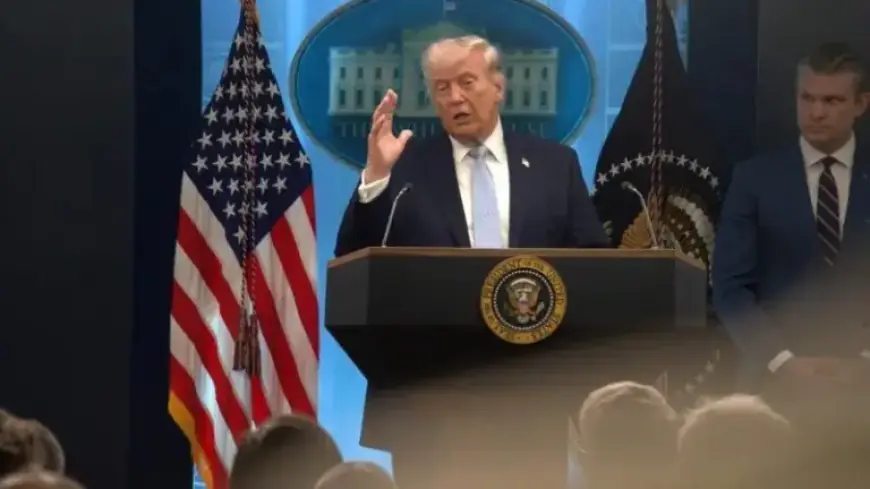
Oil markets jumped after US President Donald Trump warned of possible strikes on Iran as an ultimatum neared expiration. Markets reacted with an immediate surge in oil prices as traders priced in a Trump escalation threat. Brent and WTI rose sharply amid fears of prolonged disruptions to flows through the Strait of Hormuz.
Price moves and market structure
Brent climbed above $111 per barrel in Tuesday morning trade. WTI traded near $116 a barrel after posting its strongest close since June 2022.
Physical tightness showed up in prompt market spreads. NYMEX WTI prompt spread moved into steep backwardation at $16.19 per barrel, up from $8.22 at the end of March.
Speculative positioning and seller behaviour
Speculators raised bullish bets sharply. Money managers added 22,728 net long lots in ICE Brent, taking total net longs to 429,853 lots.
That positioning level was the most bullish since October 2018. Traders cited geopolitical risks and constrained supplies as key drivers.
Shipping through the Strait of Hormuz
Traffic through the Strait of Hormuz remains heavily reduced. Semi‑official Iranian reports said 15 ships transited with Iran’s permission over 24 hours.
That activity level is about 90% below pre‑conflict volumes. Iran exempted Iraq from its curbs, and Iraq’s state oil marketer SOMO said Iraqi crude can now transit.
Diplomatic signals and ceasefire talks
Iran told mediator Pakistan it rejected a temporary ceasefire offer. Tehran demanded a permanent end to the conflict, sanctions relief, reconstruction funding and formal guarantees of safe passage.
Pakistan, Egypt and Turkey reportedly pushed for a roughly 45‑day pause. The US extended its deadline for Iran to reopen the strait.
OPEC+ output and Saudi pricing
OPEC+ raised May output targets by 206,000 barrels per day. The move continued the gradual unwinding of 1.65 million b/d of cuts first set in April 2023.
With the strait effectively constrained, higher quotas remain largely symbolic for several members. The alliance’s next meeting is scheduled for 3 May 2026.
Saudi Arabia increased official selling prices to Asia to a record premium. Riyadh sought about $19.50 per barrel over regional benchmarks, reflecting tight near‑term supply.
Strategic releases and US reserves
The US Department of Energy said about 1.5 million barrels were released from the Strategic Petroleum Reserve last week. This is part of a broader release plan.
The administration plans to release a total of 172 million barrels over four months. That could reduce SPR inventories toward roughly 243.3 million barrels, the lowest level since 1982.
As reported last Friday, the SPR stood at 413.3 million barrels. That stock comprised approximately 153.7 million barrels of sweet crude and 259.6 million barrels of sour crude.
Broader coordination
The US and other IEA members previously committed to a coordinated release of 400 million barrels. The pledge followed strikes that disrupted flows through Hormuz.
Despite releases and higher quotas, markets priced in the risk that physical flows could remain constrained. The prospect of further escalation kept prices elevated.
Filmogaz.com will monitor developments and report updates as events and data evolve.