
























Tuna Deaths in South Australia Not Linked to Algal Bloom

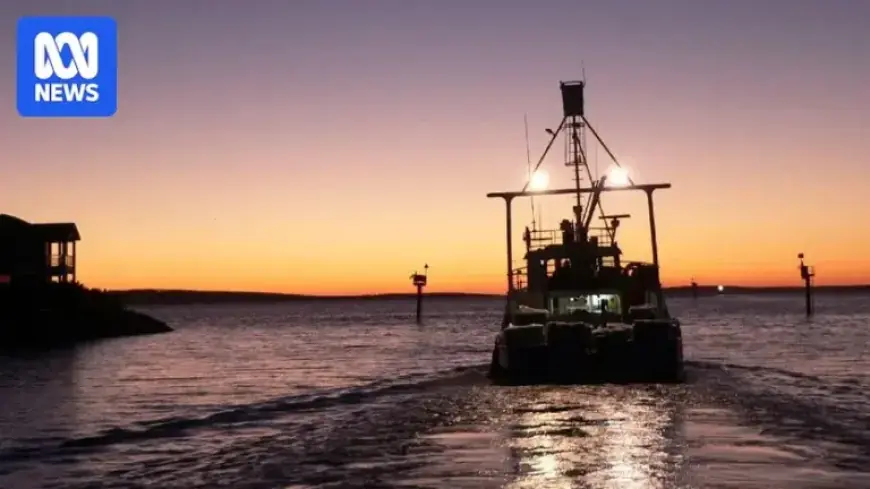
Concerns about the recent deaths of tuna near Port Lincoln have prompted swift responses from scientists and the seafood sector. Reports indicated that the Southern Bluefin Tuna Industry faced a mortality event, with estimates suggesting a loss in the “low thousands” of fish.
Tuna Deaths in South Australia Not Linked to Algal Bloom
The Australian Southern Bluefin Tuna Industry Association reported significant fish deaths in March, coinciding with discolored waters in the area. Notably, scientists from the South Australian Research and Development Institute (SARDI) confirmed that these deaths were not connected to the harmful algal bloom currently affecting other parts of the state.
Findings from SARDI
SARDI’s executive director, Mike Steer, clarified that the phytoplankton responsible for the incident is Viciciclus globosus. This organism is a natural part of South Australia’s marine ecosystem and has previously impacted the industry, with the last occurrence dating back to 1996.
- Phytoplankton: Viciciclus globosus
- Last Impact: 1996
- Current Situation: Mortality event unrelated to algal blooms
Environmental factors, such as seasonal upwellings that introduce new nutrients to the area, contributed to the species’ reproduction spike. SARDI has been monitoring water quality, observing isolated patches of the phytoplankton in the Southern Spencer Gulf. Despite the recent deaths, Port Lincoln tuna remains unaffected.
Industry Response and Consumer Impact
The Southern Bluefin Tuna Association is advocating for increased water monitoring to ensure the health of fish stocks. CEO Daniel Casement expressed concerns about the industry’s reliance on fish vitality for production. With Easter traditionally being a peak season for seafood consumption, local seafood businesses are feeling the pressure.
Craig McCathie of Fresh Fish Place reported a downturn in trade, citing a 12% decrease compared to the previous year, linking it to rising fuel prices and consumer perceptions influenced by the algal bloom situation. Despite these challenges, he noted an uptick in business activity between July 2025 and March 2026, likely correlated with government vouchers aimed at offsetting the bloom’s impacts.
Encouragement for Local Seafood Support
Despite hardships, other local businesses like Del Giorno’s Cafe have not reported direct impacts from the algal bloom on their operations. Owner Kris Bunder remains optimistic about the local seafood’s safety and urges consumers to support South Australian products.
As the harvesting season for southern bluefin tuna begins, the Port Lincoln seafood sector remains hopeful for recovery. Stakeholders continue to monitor the situation closely to ensure the vibrancy of this vital industry in the face of environmental challenges.