






















Iranian Hackers Infiltrate U.S. Industrial Systems, Agencies Warn

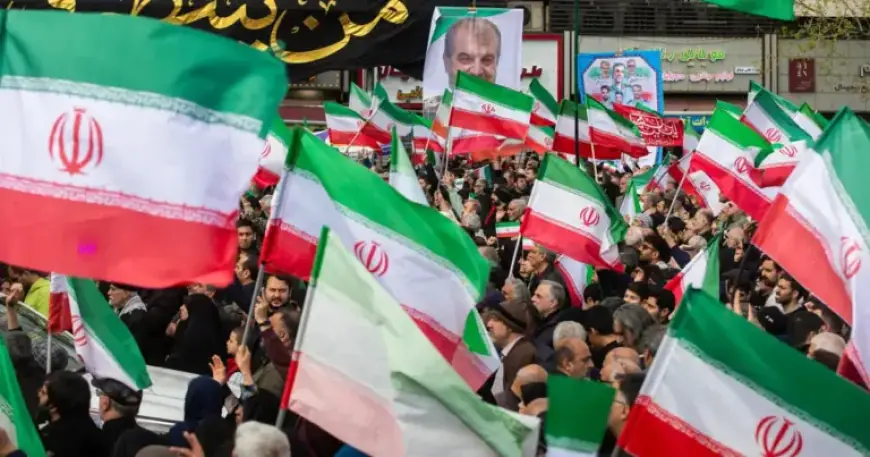
Recent warnings from multiple federal agencies reveal that Iranian hackers are infiltrating U.S. industrial systems. This ongoing threat aims to disrupt critical infrastructure across the country.
Key Events and Targeted Sectors
The hackers are primarily compromising tools created by Rockwell Automation, a company based in Milwaukee that specializes in industrial control systems. Federal alerts indicate that this infiltration has resulted in numerous disruptions across various sectors, including:
- Government Services
- Water and Wastewater Services
- Energy Sector
While the severity of these disruptions remains uncertain, affected entities have reported both operational disruptions and financial losses. This advisory marks the first public warning regarding domestic critical infrastructure threats since the U.S. conflict with Iran escalated.
Agencies Involved in the Advisory
The advisory was issued collaboratively by several U.S. federal agencies:
- Cybersecurity and Infrastructure Security Agency
- Federal Bureau of Investigation (FBI)
- National Security Agency (NSA)
- U.S. Department of Energy
- U.S. Cyber Command
These agencies have urged operators of vulnerable internet-connected systems to take immediate protective measures, including disconnecting from the network.
Characterization of Hackers
The hackers have been identified as “Iran-affiliated advanced persistent threat (APT) actors.” APTs are typically sophisticated hacker groups often linked to military or intelligence operations of a nation.
Specific Hacking Methods
The cyber intrusions have targeted Rockwell’s Studio 5000 Logix Designer. This customizable software is crucial for controlling various industrial systems. Despite the breach, Rockwell Automation has not yet provided public comments on the cybersecurity incident.
Background on Iran-U.S. Tensions
The advisory arrives amid escalating tensions between the United States and Iran. Recent statements from U.S. officials and President Donald Trump suggest an increase in military readiness and potential strikes targeting Iranian infrastructure.
Since the beginning of the conflict in February, Iran has announced a significant cyberattack on a U.S. firm, specifically a Michigan-based medical technology company called Stryker. Furthermore, in late 2023, U.S. accusations pointed to members of the Islamic Revolutionary Guard Corps attempting to infiltrate American water and wastewater systems using similar tactics.
While the hacker group, known by the alias “CyberAv3nger,” successfully accessed at least 75 devices, there have been no reports indicating that substantial damage was inflicted on American utility services.
As the cybersecurity landscape continues to evolve, U.S. infrastructure remains under constant threat from sophisticated Iranian hacking groups. The recent advisory serves as a crucial reminder for organizations to enhance their cybersecurity measures.