






















End Global Illusions About the Iran Energy Crisis Now

The ongoing conflict involving the United States and Israel against Iran has been accompanied by numerous miscalculations. One major concern is the growing energy crisis that stems from this situation. Many stakeholders mistakenly believe that a ceasefire and the reopening of the Strait of Hormuz will swiftly resolve current energy supply issues. This is a serious misjudgment.
Understanding the Energy Crisis
Even if the Strait is reopened, the global energy scenario will not instantly improve. The supply of crude oil and liquefied natural gas (LNG) remains constrained. The reality is that the world faces a significant crisis, with a potential reduction of approximately 12 million barrels per day (bpd) of crude and refined products. This loss represents more than 10% of the global demand.
Miscalculations and Delusions
The current conflict is marred by various delusions surrounding how global players are reacting. Here are key misapprehensions:
- The reopening of the Strait of Hormuz will not immediately alleviate issues with crude oil and refined products.
- The U.S. administration is not making well-informed decisions regarding the economic fallout affecting allies in Europe and Asia.
- This crisis is not purely about rising crude oil prices but predominantly concerns the supply of refined products.
- Countries believe that short-term self-interest solutions will protect them, disregarding the broader implications.
China’s termination of refined fuel exports illustrates this point. While it may seem beneficial for domestic supply, neighboring Asian countries may face severe economic repercussions from fuel shortages. This could, in turn, negatively impact China’s own export industries.
Global Responses and Preparedness
Some countries are beginning to acknowledge the severity of the energy crisis. For instance, Australia has negotiated fuel imports with suppliers like Japan and Singapore in exchange for commitments on coal and LNG. However, the overall preparedness of the global community to address this sustained loss in supply remains under scrutiny.
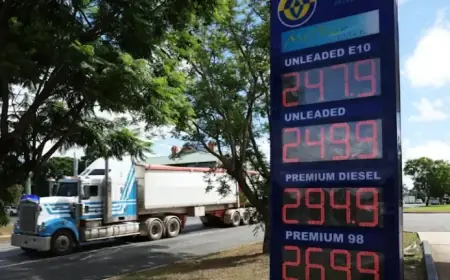
During the COVID-19 pandemic, global demand for energy plummeted, leading to a decrease in prices. Conversely, the current situation involves a supply crisis that has driven prices up sharply, with jet fuel prices in Singapore more than doubling.
Future Implications
Two factors cannot be overlooked:
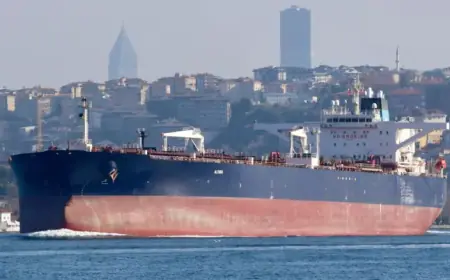
- The Strait of Hormuz is largely inaccessible to most vessels.
- Negotiations to de-escalate the conflict and reopen the strait have repeatedly failed.
With tensions high, President Trump has made aggressive statements towards Iran, complicating any potential compromise. Iran has thus far rejected ceasefire proposals, feeling threatened by rhetoric and military escalation from the U.S.
Trump faces a challenging set of options:
- He could withdraw from involvement while attempting to frame the conflict as a political win.
- He might choose to escalate military efforts, risking long-term damage to the Gulf’s energy infrastructure and a deepening global energy crisis.
- Alternatively, he could opt for a ceasefire and a negotiated settlement, though this appears unlikely given current dynamics.
As the world grapples with these challenges, poorer nations in Asia and Africa are expected to be the first to feel the impact of reduced energy supplies. Higher inflation, decreased global trade, job losses, and social unrest are predicted to emerge as secondary effects later in the year.
Conclusion
To effectively address the impending energy crisis, global governments need to collaborate and understand the gravity of the situation. Maintaining course in misguided policies will only exacerbate the problem, as the U.S. administration appears increasingly out of touch with ongoing global energy realities.