























Government Enacts Emergency Order for Truckers Amid Fuel Crisis

The Albanese government has classified the rising fuel costs as a significant emergency impacting the trucking industry. This declaration allows the Fair Work Commission to mandate increased payments from companies for transporting their goods. Workplace Relations Minister Amanda Rishworth announced this emergency order in a draft statement late Tuesday.
Details of the Emergency Order
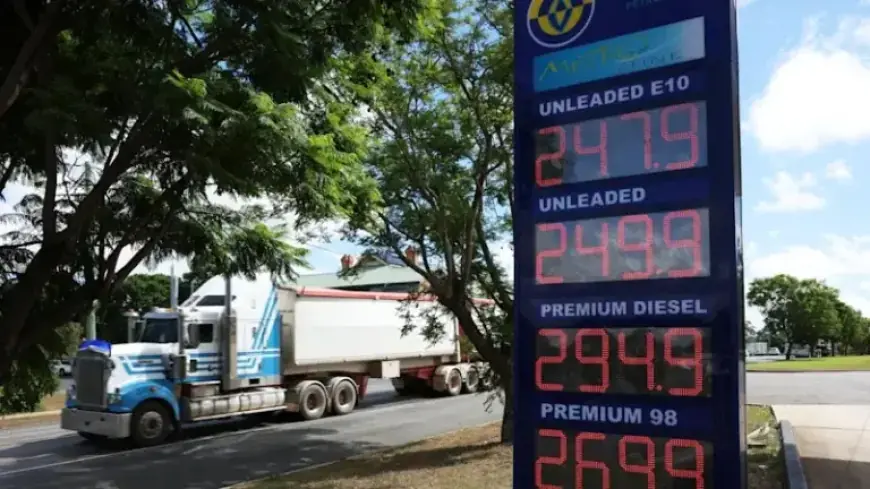
The draft determination allows feedback for 24 hours, just before a Fair Work hearing scheduled to commence on Wednesday. The commission’s decision could have a notable impact on an economy already facing persistent inflation. Currently, the cost of diesel remains above $3 per liter, exacerbating pressure on costs across various sectors.
- Emergency status applied to the Transport Workers’ Union (TWU) request.
- Retailers, manufacturers, and mining firms may face weekly fuel price reviews.
- Companies will be responsible for any price increases beyond the contracted amounts.
Impact on the Transport Industry
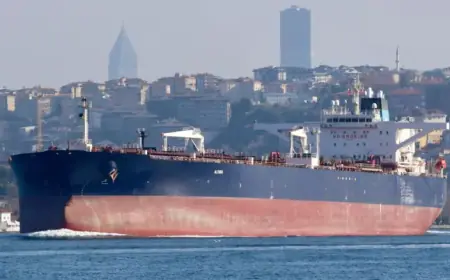
Rishworth cited the “significant reduction in shipping through the Strait of Hormuz” in her draft statement. She intends to assess evidence before confirming any decisions and has encouraged public feedback, which is open until 8 PM AEST on Wednesday. The commission’s hearing will then begin that morning.
Michael Kaine, TWU’s national secretary, expressed optimism regarding the draft order. He views this as a vital acknowledgment of the ongoing fuel crisis. Kaine emphasizes the need for higher fuel cost coverage by major supply chain players, which would alleviate challenges for truck drivers.
Peter Anderson, national secretary of an industry association, voiced his concerns about companies not meeting their responsibilities. He highlighted that many transport firms are precariously close to shutting down their operations due to rising costs.
Industry Reactions
Some major companies, including Woolworths and Australia Post, have already implemented increases in fuel levies to help drivers cope with the escalating expenses. Meanwhile, concerns were raised at earlier hearings regarding the absence of a uniform approach to resolving these issues, as contracts differ considerably.
The Fair Work Commission president, Adam Hatcher, previously stated that while preliminary measures could be expedited, the ultimate direction depends on the minister’s recognition of an emergency situation.
The initiatives put forth by the Albanese government aim to address challenges in the trucking sector effectively. Stakeholders are closely monitoring how the Fair Work Commission will respond in the face of rising fuel costs and inflationary pressures.