



















Nintendo’s Cultural Chameleon Becomes Their Golden Boy

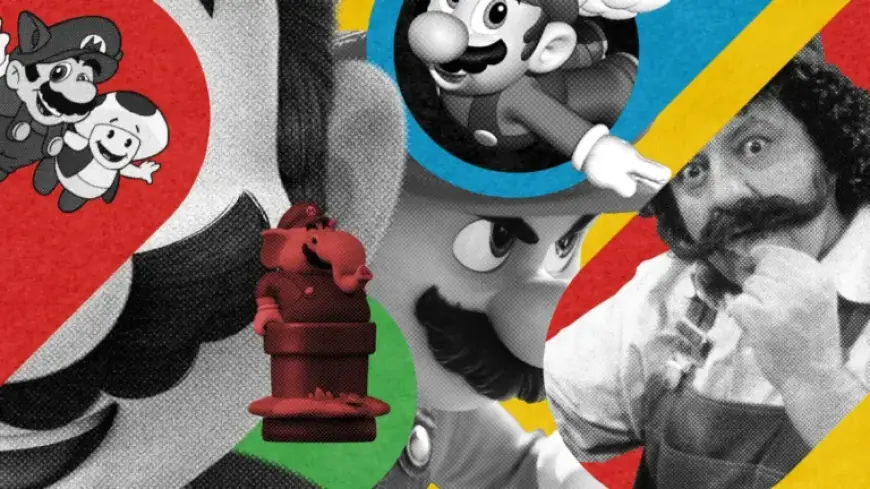
Nintendo’s iconic character Mario has transformed from a simple arcade figure to a cultural staple over the decades. Created by Shigeru Miyamoto in 1981, Mario was initially known as Jumpman in the game Donkey Kong. His character emerged when the rights for a Popeye game failed to materialize. Instead, a plumber named Jumpman and his nemesis Donkey Kong were born, setting the stage for an extraordinary gaming legacy.
Nintendo’s Cultural Chameleon: Mario’s Evolution
By 1982, Miyamoto crafted a more defined persona for Mario. He became approximately 26 years old, sporting a mustache and a lighthearted demeanor. According to Miyamoto, “He’s got emotion, he’s got heart.” This foundational characterization laid the groundwork for Mario’s appearances in over 200 video games, comics, television shows, and films, exemplifying his flexibility and enduring appeal.
The Golden Years: Mario’s Early Developments
Initially, Mario’s representations were limited. With an eight-bit design, he relied on distinctive features like his mustache and overalls. Although he originally lacked a true name, he was eventually named after Mario Segale, Nintendo’s landlord. In 1983, Mario’s sibling Luigi was introduced, creating a dynamic duo cherished by fans.
- Early Games: Mario frequently appeared in sports titles like Tennis and Golf, often changing roles.
- Character Growth: By 1985, Super Mario Bros. marked a significant breakthrough, featuring Mario as a hero tasked with saving Princess Peach from Bowser.
Cinematic Ventures and Setbacks
The late 1980s saw Mario’s rise in mainstream media, including a television series. The Super Mario Bros. Super Show! blended live-action with cartoon elements and solidified many fan-favorite quirks. However, the 1993 live-action film starring Bob Hoskins faced severe backlash and ultimately hindered further adaptations for nearly three decades.
A Modern Mario: The Comeback
In 2023, Nintendo collaborated with Illumination to release The Super Mario Bros. Movie, aiming to refresh Mario’s cinematic image. This animated feature successfully garnered over $1 billion at the box office, blending nostalgia and modernity. Chris Pratt voiced Mario, introducing a charming character arc while avoiding the overly exaggerated accents of the past.
The Latest Adventures
The sequel, The Super Mario Galaxy Movie, builds on this success, packed with references from Mario’s rich history. Nintendo continues to innovate and adapt the character across various platforms and genres, ensuring Mario’s relevance for new generations of players.
- Box Office Success: The Super Mario Bros. Movie made over $1 billion.
- Character Flexibility: Mario can be portrayed as a plumber, doctor, or racecar driver, making him universally relatable.
Nintendo’s approach emphasizes innovative gameplay, focusing on mechanics that remain accessible and engaging. As Shigeru Miyamoto puts it, Mario embodies joy and goodwill, features that resonate deeply with audiences. This enduring appeal makes Mario a unique figure in the gaming landscape—a cultural chameleon capable of adapting to any scenario.