
























MNR Prepares for Fire Season in Northwestern Ontario

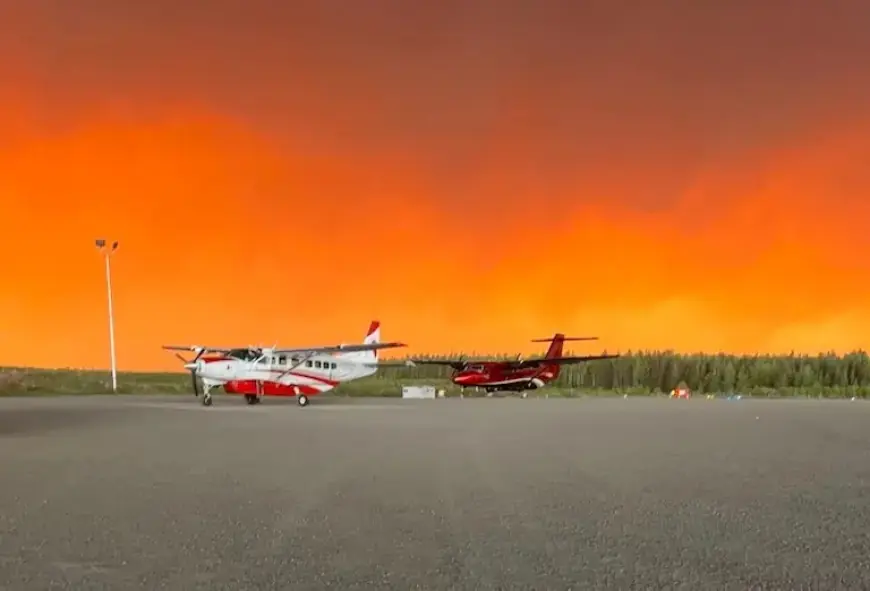
The Ministry of Natural Resources is intensifying preparations for the 2026 wildfire season across Northwestern Ontario. The forest fire season began on April 1, and parts of the region have seen multiple spring snowfalls since then.
Variable snowpack and changing risk
Snow depths across the northwest remain uneven. Southern sectors along the Ontario–Minnesota border, especially around Fort Frances, show lower snowpacks.
Chris Marchand, fire information officer at the Northwest Regional Fire Management Centre in Dryden, says conditions can shift quickly. The pace of snowmelt will shape early fire behaviour and hazard levels.
Early-season hazards
Slow, steady snowmelt keeps dead grass and fine fuels moist for longer. Rapid melt leaves open grassy areas dry first.
Those dry spots often appear near highways, rail corridors, and yards where people burn debris. Outdoor burning regulations are now in effect for the season and dictate allowable burn times.
Staffing, aircraft and compensation
Recruitment for fire rangers and pilots continues ahead of the 2026 season. More than 2,500 applications were received for fire ranger roles in Northern Ontario.
Local fire management headquarters are finalizing crews. Typically, about 700 firefighters are hired annually for deployment across the north.
The ministry added 68 permanent wildland fire positions over the past year. That follows roughly 100 roles introduced in 2024 and 2025.
Recent changes include higher pay for firefighters, pilots, and aircraft maintenance engineers. The MNR says it will ensure frontline crews have what they need for the season.
Filmogaz.com contacted the Ontario Public Service Employees Union for comment. The union has previously raised concerns about pay and retention.
Recent wildfire patterns and scale
Over the past decade Ontario averaged 713 wildfires per year. Those fires burned an average of 210,000 hectares annually.
Last year saw about 70 fewer fires than that average. Despite the lower number, nearly 600,000 hectares burned.
The Red Lake 12 fire was the province’s largest on record last year. It consumed approximately 197,000 hectares.
What residents should know
- Expect rapidly changing conditions as snow melts.
- Follow outdoor burning regulations for the duration of the season.
- Be cautious near highways, rail lines and dry grasslands.
The MNR is preparing its crews, aircraft and plans as it monitors local conditions. Residents should stay alert and follow local advisories as part of MNR preparedness for fire season in Northwestern Ontario.