
























Florida Law Targets Terrorist Groups, Expels Supporting Students: Signed by DeSantis

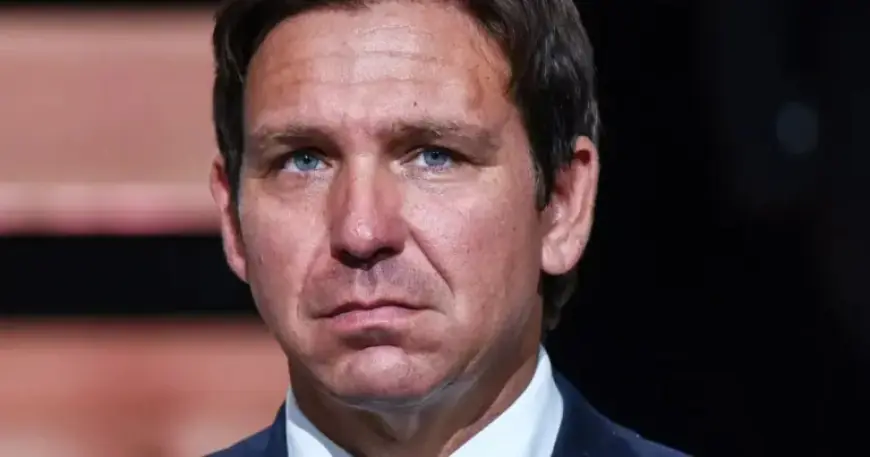
On Monday, Florida Governor Ron DeSantis enacted a controversial law granting state leaders the authority to designate groups as terrorist organizations. This measure also enables the expulsion of university students who support these groups.
Overview of the New Law
The recently signed legislation allows a high-ranking official from the Florida Department of Law Enforcement to label a group as a domestic or foreign terrorist organization. This designation requires approval from the governor and three members of the Florida Cabinet:
- State Attorney General
- Chief Financial Officer
- Agriculture Commissioner
All cabinet members are elected separately, ensuring a democratic process in this significant decision-making.
Consequences of Designation
Once a group receives a terrorist designation, it faces severe consequences. This includes:
- Dissolution of the organization
- Ineligibility for state funding from school districts and state agencies
Additionally, universities are mandated to report any expelled students holding visas to U.S. Immigration and Customs Enforcement.
Governor’s Justification
During a news conference in Tampa, DeSantis stated, “This will help the state of Florida protect you. It’ll help us protect your tax dollars.” He emphasized the law’s intent to prevent actions considered inappropriate for the United States, particularly in Florida.
Previously, DeSantis designated the Council on American-Islamic Relations and the Muslim Brotherhood as foreign terrorist organizations. However, a federal judge recently halted the execution of this executive order.
Concerns from Advocacy Groups
PEN America, a free speech advocacy organization, has raised alarms about the law. They argue that its vague language could inhibit educational programs perceived as “promoting” terrorism. Moreover, they worry it could target student protesters critiquing state officials.
William Johnson, PEN America’s Florida director, expressed concern over the potential chilling effects on educational environments throughout the state, warning that “the implications are fraught.”