

























Hospital Apologizes After Sending Home Man Needing Urgent Surgery

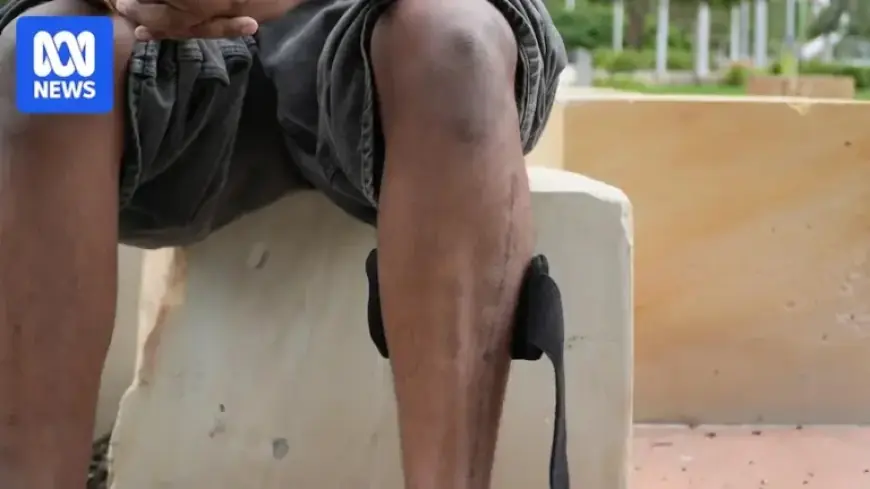
An Australian Navy candidate has experienced a traumatic ordeal after being misdiagnosed and sent home by two hospitals, despite needing urgent surgery. Jack, a 21-year-old, suffered from compartment syndrome, a serious condition caused by excessive pressure in muscle compartments. His case raises concerns regarding hospital protocols and patient care.
Incident Overview
In August of last year, Jack visited the Armadale Health Service emergency department due to severe pain in his leg. Compartment syndrome can result in permanent damage or even amputation if not treated promptly. Unfortunately, he was misdiagnosed and sent home.
Delays in Diagnosis and Treatment
- Date of Injury: August 2022
- Initial Hospital Visit: Armadale Health Service
- Days Until Diagnosis: 4 days
- Surgery Delay: Took 24 hours at Royal Perth Hospital
Four days later, Jack returned to the hospital with urgent referral documentation indicating he still suffered from compartment syndrome. Doctors at Armadale faced significant challenges transferring him to Royal Perth Hospital for urgent treatment.
Patient Care and Communication Issues
Jack reported extreme levels of pain, rating it a ten on a scale from one to ten. However, hospital staff underestimated the severity of his condition. A clinical incident investigation noted that his reserved demeanor may have contributed to the misinterpretation of his pain levels.
Systemic Failures Identified
- The initial examination did not include a doctor or physiotherapist.
- Recommendations for follow-up were not communicated effectively.
- The requirement for further imaging delayed necessary treatment.
A review concluded that “cultural factors” influenced how Jack understood and followed discharge instructions, as he comes from a background that highly respects medical professionals. He was advised to ice his leg and seek further examination only if symptoms persisted.
Aftermath and Apology from the Hospitals
After undergoing two additional surgeries that removed significant muscle from his calf, Jack expressed frustration with the hospital staff’s failure to adhere to protocols. He believes that more attentive care could have minimized the damage.
The East Metropolitan Health Service has publicly apologized for the distress caused, stating their commitment to improving care quality based on the investigation’s findings. Suresh Rajan, an advocate supporting Jack’s family, emphasized the importance of patient representation in emergency departments to ensure that concerns are adequately addressed.
Jack is now contemplating legal action against the hospitals due to the significant impact this incident has had on his life and career aspirations. Despite the distressing experience, he hopes that sharing his story will lead to better practices in healthcare.