





















Trump Addresses Iran Issues in Press Conference: NPR

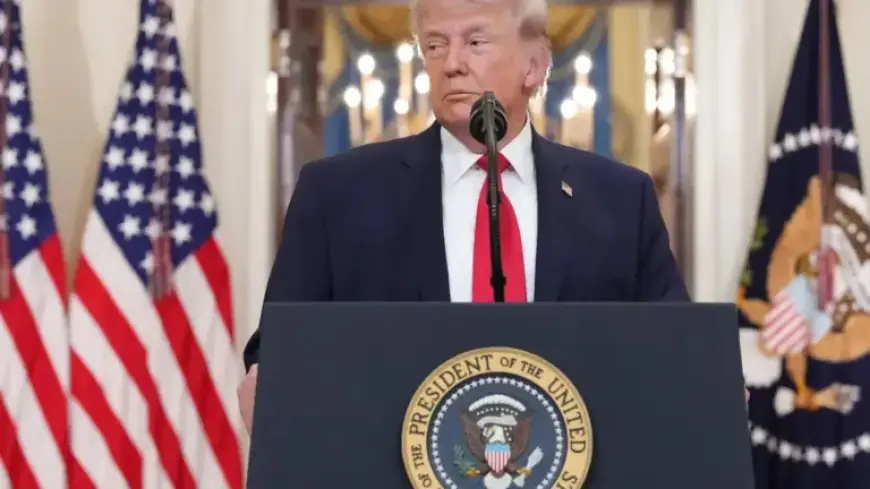
President Trump recently addressed the ongoing conflict with Iran during a press conference held on April 1. This marks his first public appearance since the commencement of hostilities initiated by the U.S. and Israel over a month ago. With tensions escalating, Trump communicated his expectations regarding the situation in the Strait of Hormuz, a vital route for global oil transport.
Key Points from Trump’s Press Conference
During the conference, several critical issues regarding Iran were discussed:
- Trump criticized unnamed countries for their roles in the conflict.
- He emphasized the need for reopening the Strait of Hormuz, which had been closed by Iran.
- Global gas prices surged, reaching approximately $4 per gallon in the U.S. due to the conflict.
- Trump threatened increased military action if the strait was not reopened promptly.
Context Surrounding the Conflict
Negotiations between the U.S. and Iran have seen some progress, with a ceasefire proposal presented over the weekend. Trump deemed this proposal “a significant step” towards resolving the conflict. Despite his previously stated expectations for a six-week duration of the war, uncertainty remains regarding its timeline and goals.
Domestic Reactions and Polling
Public opinion reflects considerable opposition to the war among Americans. Recent polling by CNN indicates a drop in approval ratings for Trump, with support among Republicans falling from 52% in January to 43%. Economic concerns, particularly regarding fuel prices, are significant as midterm elections approach.
Trump’s Commitment to Non-Nuclear Iran
During the press conference, Trump reiterated his administration’s firm stance against a nuclear-armed Iran. He stated, “We’re never going to let them have a nuclear weapon,” and expressed willingness to accept higher fuel prices temporarily to ensure that goal.
As the situation develops, the focus will remain on the administration’s strategy and public sentiment amid rising costs and ongoing military action.