

























Scientists Discover Protein Driving Brain Aging and Ways to Halt It

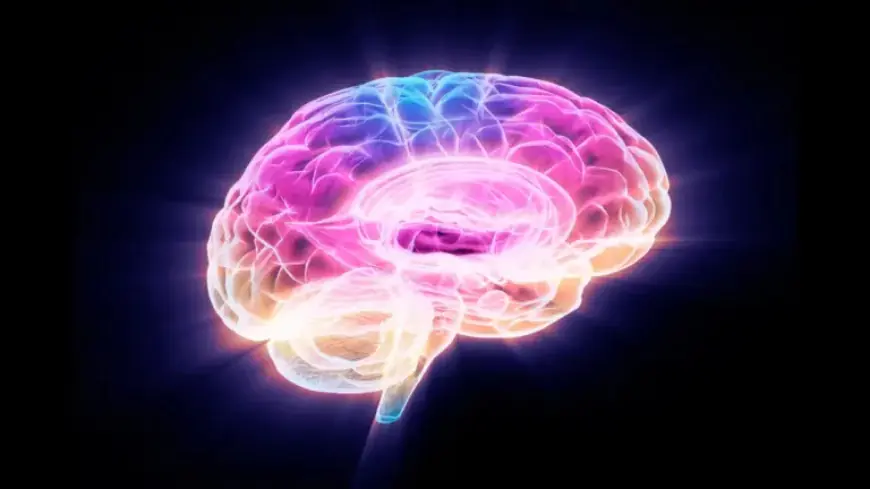
Recent research out of UC San Francisco has unveiled a significant protein, FTL1, which plays a crucial role in the aging of the brain, particularly within the hippocampus, a region essential for memory and learning. This discovery highlights both the implications of aging and the potential for therapeutic interventions.
FTL1: A Key Factor in Brain Aging
The study aimed to identify changes in genes and proteins within the hippocampus of mice as they aged. Researchers observed that FTL1 was the only protein that exhibited consistent differences between younger and older mice. Older subjects demonstrated elevated levels of FTL1, which correlated with reduced neuronal connections and poorer performance on cognitive assessments.
Impact of FTL1 on Brain Function
- Increased FTL1 in young mice resulted in brain structures resembling those of older mice.
- Young subjects demonstrated behavioral changes reflective of cognitive decline.
- Neurons engineered to produce high levels of FTL1 displayed simplified structures, which hinder their normal functions.
Reversing Memory Decline by Lowering FTL1
Remarkably, reducing FTL1 levels in older mice led to substantial improvements. The animals showed enhanced neuronal connections and a significant uptick in memory test performance. Dr. Saul Villeda, an associate director at the UCSF Bakar Aging Research Institute, remarked on these findings, stating that they represent more than just a mitigation of symptoms.
Link to Metabolism and Future Treatments
Further investigations indicated that FTL1 also influences cellular metabolism in the hippocampus. Higher levels of this protein were found to slow down energy use in older mice. Conversely, introducing a compound that boosts metabolism appeared to alleviate these detrimental effects.
Dr. Villeda expressed optimism that these findings could lead to effective treatments targeting FTL1, offering hope for mitigating the adverse effects of aging in the brain. Researchers are encouraged by the potential to address significant aging-related challenges.
Collaborative Efforts and Funding
The research team included a diverse group of scientists, such as Laura Remesal, Juliana Sucharov-Costa, and Gregor Bieri, among others. Funding for the study was provided by several esteemed institutions, including the Simons Foundation and the National Institutes of Health, facilitating this critical research into the biology of aging.