



















UK Government Plans Emergency Alerts to Warn Britons of Summer Unrest Risks

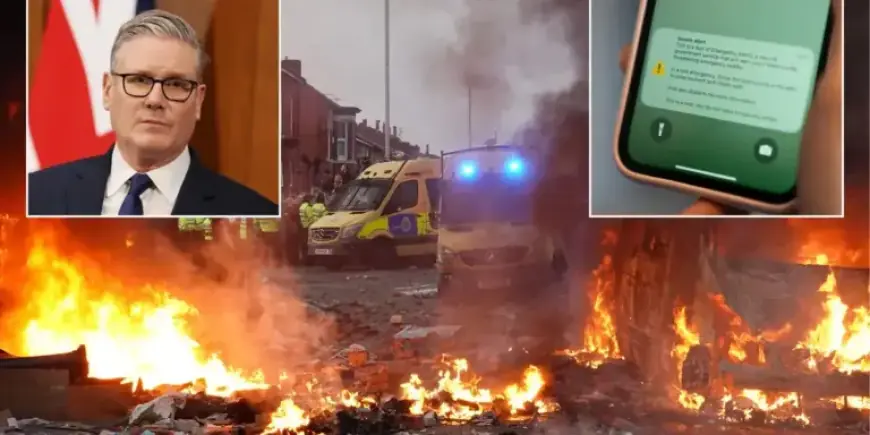
Cabinet Office records show ministers and officials came close to using mobile Emergency Alerts during the summer unrest of 2024. The unrest followed the July killing spree by Axel Rudakubana in Southport on 29 July 2024.
Alerts debated amid widescale disorder
Officials flagged the alert system as a possible response as violence spread. Government papers describe several “near misses” where activation was considered but not used.
The Emergency Alerts scheme began in 2023. It emits a siren-like tone to phones when authorities judge there is an immediate risk to life in a defined area.
Triggers examined during August unrest
After the Southport attack, unrest expanded rapidly across the UK in August 2024. The government later attributed much of the disorder to far-right agitators.
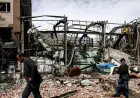
Incidents targeted institutions in northern England. Mosques, community centres and libraries were among the locations hit.
Local public health and infrastructure crises
Separate documents show officials considered alerts for non-security emergencies too. One example was a water contamination event in Brixham, Devon, in May 2024.
Cryptosporidium infected the local supply. Around 16,000 households and businesses were told not to use tap water. Authorities reviewed issuing a boil-water alert to about 40,000 residents.
Falling debris and energy concerns
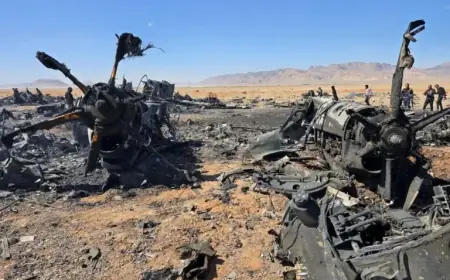
Falling space debris prompted another near-activation. An 11-tonne Chinese Zhuque-3 rocket re-entry threatened British territory in the South Pacific.
The Cabinet Office judged the strike risk minimal. The wreckage later fell roughly 1,200 miles south of New Zealand.
Northern Ireland’s Kilroot power station also featured in planning. In September 2025 it approached its annual 1,500-hour environmental operating limit, raising blackout risks.
Weather and flood events considered
Extreme weather was cited as another potential trigger for alerts. Officials revisited the system when Scotland and north-eastern England faced Storm Babet in 2023.
Flooding in Cumbria, Lancashire and Greater Manchester in 2025 also prompted discussion. The government said it weighs use of Emergency Alerts carefully during such events.
Government stance on alert use
A government spokesperson told PA the system is reserved for high-risk situations. They said the state assesses many scenarios before deploying the tool.
Ministers stressed that Emergency Alerts are a vital safety measure. They said activation is rare and limited to threats to life.
Filmogaz.com reviewed the Cabinet Office records and related official analysis to compile this report. The material highlights how the UK Government considered Emergency Alerts to warn Britons during periods of heightened summer unrest and other risks.