





















iPhone Captures Earth as Blue Orb, Making Android Envious

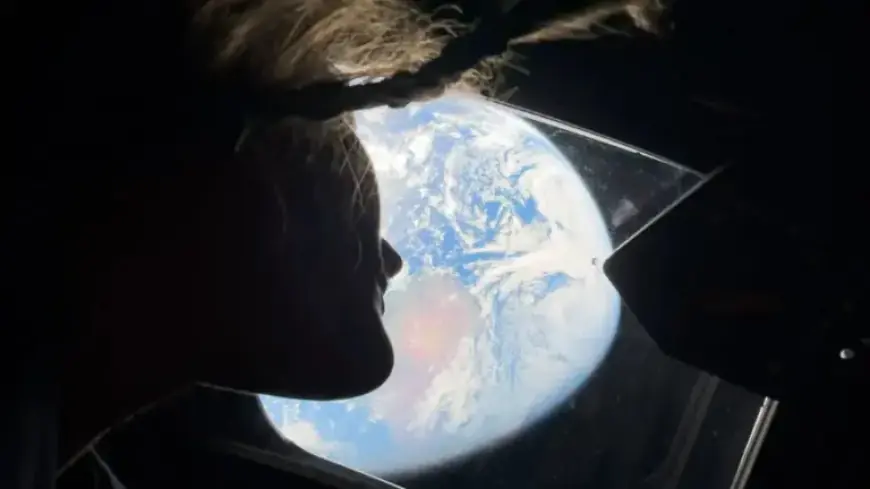
NASA astronauts have made history by capturing images of Earth from deep space using the iPhone 17 Pro Max. This remarkable achievement occurred during the Artemis II mission, where the device was used to take what can be termed “space selfies.” These images illustrate a significant milestone for Apple, as no Android phone has accomplished this feat.
Historic Achievement with the iPhone 17 Pro Max
On April 2, astronauts including Commander Reid Wiseman and Mission Specialist Christina Koch utilized the front camera of the iPhone 17 Pro Max to photograph Earth. This unprecedented use of a smartphone in a crewed lunar mission sets Apple apart in the ongoing smartphone camera rivalry.
Significance of the Artemis II Mission
The Artemis II mission is particularly noteworthy as it marks NASA’s first crewed Moon expedition since 1972. The astronauts aboard are equipped with various high-quality camera gear, such as:
- Nikon D5
- Nikon Z 9
- GoPro HERO4 Black
Despite this professional equipment, the iPhone 17 Pro Max has uniquely stood out by being able to capture stunning images of our planet from deep space.
Comparison with Android Devices
While Samsung previously sent the Galaxy S24 to the edge of space via a high-altitude balloon, it did not achieve the same level of accomplishment as the iPhone 17 Pro Max. No Android phone has ever been utilized in a crewed mission to take pictures of Earth from such a distance.
Technical Aspects of the Photos
Metadata from Flickr indicates that the images captured by the astronauts were processed using Adobe Photoshop Lightroom Classic. This editing likely involved adjustments to exposure, contrast, and cropping to enhance the visual quality of the photos.
The Edge of Innovation
As a result, the iPhone 17 Pro Max is now recognized as the first smartphone to travel the farthest distance from Earth. This major technological milestone demonstrates Apple’s competitive edge in the realm of smartphone cameras, particularly in space photography.
Accessing deep space imagery through a consumer smartphone sets a new precedent. This advancement suggests that Android manufacturers will need to explore significant innovations to keep pace with Apple in the arena of space exploration.