

























Chili Peppers Boost Solar Power Growth in Africa

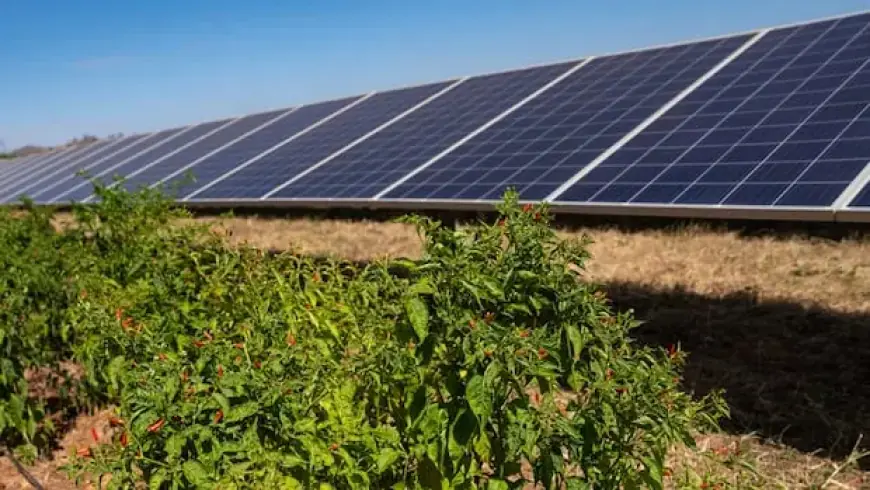
Chili peppers may seem like an unlikely ingredient in the solar power sector, but they are playing a crucial role in Malawi’s energy landscape. JCM Power, a Toronto-based company, has developed two significant solar plants in the country, contributing to a renewable energy shift in Africa.
Solar Power Expansion in Malawi
Malawi’s energy infrastructure is undergoing transformation, with approximately 10% of the country’s grid power generated by JCM Power’s solar plants. The first, a 60-megawatt facility in Salima, was established in 2021. The following year, the Golomoti solar plant was launched, featuring a groundbreaking five-megawatt battery system, the first of its kind in sub-Saharan Africa.
Electricity Access Challenges
As of 2023, less than 16% of Malawi’s population had reliable electricity access. This highlights the urgent need for renewable energy solutions. Loris Andrys, JCM Power’s senior business developer for Africa, described Malawi as a “frontier market,” where solar regulations were virtually nonexistent prior to the development of these projects.
Innovative Financing and Community Benefits
To mitigate financial volatility, JCM Power has creatively integrated community agriculture into its solar projects. The company uses revenue from local farming of African bird’s eye chili peppers to stabilize income. These chili peppers are sold in U.S. dollars to international clients like Nando’s Peri-Peri, ensuring a reliable funding stream.
- Chili Pepper Farming: Grown around solar sites to enhance community revenue.
- Partnerships: Collaborating with local farmers to create sustainable income sources.
African Solar Potential
Africa possesses 60% of the world’s optimal solar resources, thanks to its equatorial location. The International Energy Agency aims for universal electricity access for Africa’s 600 million people by 2030. By 2050, power demand across the continent is expected to rise eight-fold, presenting a major opportunity for solar energy.
Investment Trends in Solar Energy
Private investments are increasingly crucial for solar projects in Africa. JCM Power, supported by development banks such as FinDev Canada, is expanding its operations into countries like Namibia, Botswana, and Zambia. This trend reflects a broader shift in how clean energy projects are financed across the continent.
| Year | Power Generated (MW) | Projects |
|---|---|---|
| 2021 | 60 | Salima Solar Plant |
| 2022 | 5 | Golomoti Solar Plant |
Challenges and Considerations
While the growth of solar energy is promising, it also brings challenges. Development banks must prioritize sustainable practices to maximize community benefits. Issues such as land access, local employment opportunities, and environmental impacts must be carefully managed to ensure successful renewable energy deployment.
As companies like JCM Power continue to innovate and invest in Africa’s solar future, the role of local communities and sustainable practices will be critical in shaping the continent’s energy landscape.