

























CN Rail Bridge Collapse at Vancouver Port Hinders Energy Superpower Goals

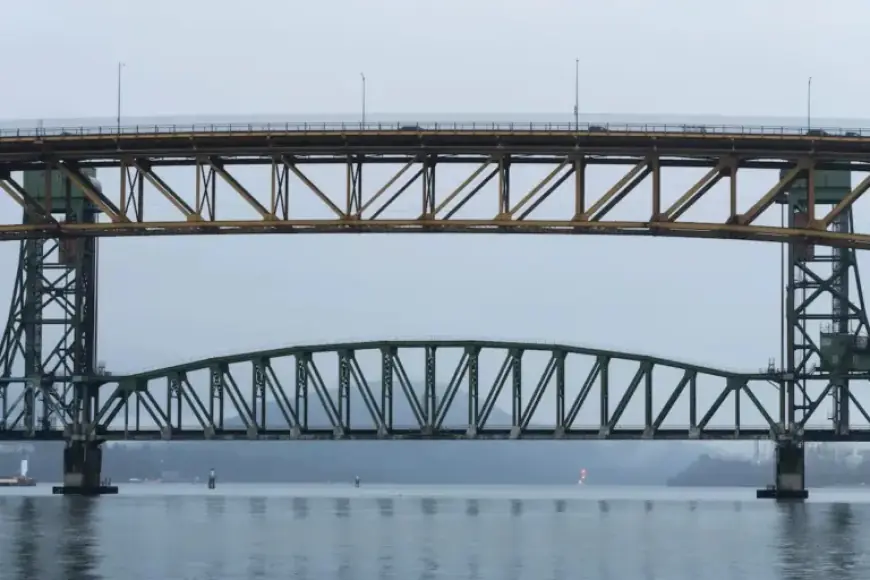
The recent collapse of the CN Rail Bridge at Vancouver Port has significantly impacted Canada’s ambition to become an energy superpower. This aging infrastructure failure occurred on February 22 and halted operations at the country’s busiest port, affecting crucial oil shipments and a range of other exports.
Impact of the CN Rail Bridge Failure
The CN Rail’s Second Narrows Rail Bridge is vital for connecting several bulk export terminals on the North Shore of Burrard Inlet with the rest of Canada. When the bridge malfunctioned, it caused a significant traffic jam, described as a “colossal bottleneck.” This disruption has been linked to a dramatic decline in oil exports from Trans Mountain Corp. (TMX).
In February, TMX saw only 17 tankers leave the Vancouver port, down from 22 tankers in January. This reduction in traffic has forced some scheduled shipments to be postponed. Additionally, the bridge is critical for transporting commodities like oil, potash, and grain through one of Canada’s most important trade gateways.
Economic Significance of the Port
The Port of Vancouver handled a record 170.4 million tonnes of cargo last year, serving 29 terminals and 170 international markets. Daily trade through the port is valued at approximately $1 billion. This disruption has raised concerns about the nation’s efforts to diversify trade away from the U.S. and focus on Asian markets.
- February 22: CN Rail Bridge malfunction occurs.
- Port of Vancouver handles over 170 million tonnes of goods annually.
- Daily port transactions are worth $1 billion.
- Recent geopolitical tensions have increased demand for Canadian oil.
Needs for Infrastructure Investment
The CN Rail Bridge has long been identified as critical infrastructure susceptible to failures. Industry leaders and government officials have called for significant investments to enhance reliability and efficiency. A concerted effort is needed to modernize aging infrastructure to support Canada’s energy export goals.
Prime Minister Mark Carney’s recent federal budget estimates indicate that over $1 trillion will be needed for public and private sector infrastructure improvements over the next five years. This investment is vital for bolstering Canada’s economy and enhancing its role as an energy supplier.
Future Prospects and Alternatives
With plans to increase pipeline capacity by 40%, the Canadian government aims to fulfill surging demand for oil from Asia. Analysts predict a potential rebound in Canadian crude exports, emphasizing the country’s stability as a reliable energy source.
Furthermore, the aging bridge poses challenges not only for energy exports but also for Saskatchewan’s agricultural products, which make up a substantial portion of trade through the port. Stakeholders stress the need for investments to address infrastructure gaps, such as possible construction of a new bridge or improvements to the navigation channel.
Conclusion
The CN Rail Bridge incident highlights crucial vulnerabilities in Canada’s transportation network and its impact on the economy. As the nation strives to enhance its energy exports, addressing these infrastructure challenges will be essential to achieving its superpower ambitions.