






















Survey of 300 Americans Reveals Shift Away from Retiring at 65

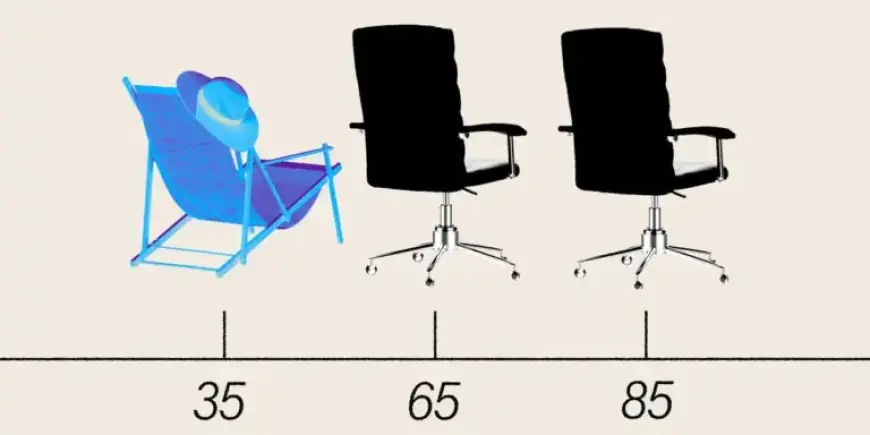
The traditional expectation of retiring at 65 is undergoing significant transformation among American workers. This change reflects a wider trend where many are either choosing or are compelled to remain employed well into their later years. The statistics underline this shift, emphasizing a growing number of older Americans in the workforce.
Changing Retirement Trends Among Older Americans
Brian Burdick, an 82-year-old school bus driver from Wichita, Kansas, embodies this new reality. After facing multiple personal hardships, including a serious injury and divorce, Burdick now finds fulfillment in his job. He highlights the joy of positively impacting the lives of young students as he earns $28 an hour, supplemented by his Social Security benefits.
Growth in the Senior Workforce
Recent data reveals a notable increase in older Americans choosing to continue working. According to Census data, 4.2% of the population aged 80 and older were in the labor force as of recent years, up from 3% in 2010. Additionally, around 20% of individuals aged 65 and older are actively working, a significant rise from the 1980s.
- 4.2% of Americans aged 80+ are in the workforce, up from 3% in 2010.
- 20% of individuals aged 65+ are working, double the rate from the 1980s.
The Emergence of the FIRE Movement
In contrast, a younger demographic is promoting the Financial Independence, Retire Early (FIRE) movement. A 2023 Harris Poll survey indicates that 25% of participants aspire to retire before age 50. The aspirations and challenges faced by both ends of the age spectrum reflect a broader awareness of the traditional retirement model’s inadequacies.
Reasons Behind Changing Work Patterns
Whether they work into their 80s or seek early retirement, older and younger generations alike express similar discontent with conventional retirement timelines. Factors influencing their decisions include:
- Economic uncertainties and job market fears.
- Extended life expectancies and rising living costs.
- Delays in achieving significant life milestones like marriage and parenthood.
Redefining Work and Purpose
The ongoing dialogue emphasizes that many view work not merely as a means of income but also as a source of purpose and satisfaction. Numerous older workers reported enjoying their jobs, often engaging in meaningful community service or mentorship roles. Vicki Vosper-Fenton, 81, illustrates this point by balancing jobs as a counselor and genealogist, expressing joy in serving others.
The Dual Reality of Older Workers
Though some older Americans revel in their roles, others face strenuous conditions. Many anecdotes highlight workers struggling with physically demanding jobs, making it clear that experiences vary widely among older employees.
Future Outlook on Retirement Ages
As more Americans stray from the 65-year retirement norm, experts are debating a potential adjustment of retirement age recommendations. Some suggest aligning the retirement age with increasing life expectancy, while others advocate for earlier benefits for those in vulnerable positions.
Conclusion
The emerging narratives around retirement signify an evolving perspective on work and aging in America. The increasing presence of older workers, alongside younger individuals advocating for early financial independence, indicates a potential shift away from established norms. The question remains—how will society redefine work and retirement moving forward?