






















Island Churchyard Unveils Secrets of Cholera Victims and Shipwrecked Souls

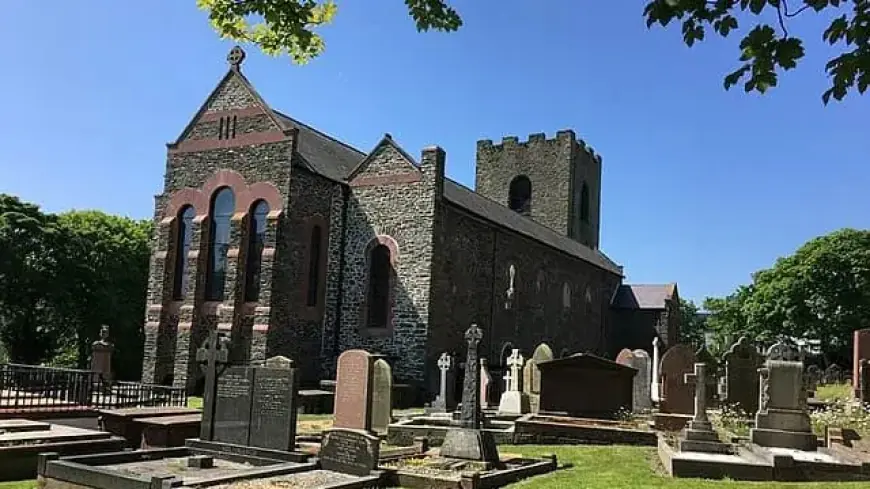
A small churchyard on the Isle of Man holds unexpected chapters of local and maritime history. The island churchyard contains graves of cholera victims and the remains of shipwrecked souls. Visitors find crosses, memorials, and unmarked plots that trace epidemics and wrecks from the 19th century.
Origins and ownership
The land was donated by Phillip Moore of the Hills Estate. The site was open to surrounding fields until 1809. That year John Moore of the Hills Estate formalised the title.
Burials took place from 1784. A dispute over unpaid debts delayed consecration until 1862. The churchyard remains in use today for cremated remains.
Local and outsider burials
Most native Manx who died in Douglas had burial rights in Braddan or Onchan. As a result, St George’s gained the nickname “the field of the stranger”.
Gravestones show many Manx names and many English ones. More than fifty retired British military personnel settled here for tax reasons.
Cholera burials
The epidemics of 1832 and 1833 devastated the island. Reports placed total cholera deaths at over 200 locally.
About 120 victims are believed buried in St George’s. Ten burials were recorded on August 30, 1833 alone.
A plain cross in the grass bears the inscription “Cholera 1832–1833”. No individual names appear on that memorial.
Contemporary accounts blamed poor water quality for the spread. Many victims died within hours of falling ill. Beds and clothing were burned to limit contagion.
The dead were wrapped in tarred sheets without coffins. Night burials took place by dim lantern light.
Shipwreck interments
The churchyard also contains victims of sea disasters. Bodies washed ashore after wrecks were often interred without individual markers.
The loss of the Minerva was reported on December 16, 1809. The vessel had sailed from Norfolk, Virginia, on October 9, 1809, bound for Dublin.
After sheltering in Douglas Bay on December 8, the Minerva broke apart on Pollock Rocks. Seventeen of the nineteen on board perished.
Among the dead was William McKissack, a Douglas man serving as pilot. Captain Wheelock and the steward survived.
The burial register records Robert Ewing and thirteen sailors interred on Christmas Eve 1809. Three more sailors were buried on January 13, 1810.
A simple cross in the churchyard commemorates the Minerva victims. Other unmarked graves hold unknown drowning victims from different wrecks.
Notable figures commemorated
Samuel Harris (1815–1905) is recognised on a panel in the church. He became a Manx advocate in 1842 and held public office until 1902.
Harris served as High Bailiff and Vicar General. He was elected as one of the first Douglas Town Commissioners in 1860.
He championed the town sewage system and helped curb cholera risk. He also chaired Douglas’s first hospital and supported local relief funds.
Harris married Ann Bateman Craig in 1839. Their eight children are buried in the churchyard. A memorial window inside the church honours him.
Nelly Brennan (1792–1859) is another prominent name. Orphaned young, she worked taking in washing and attended early-morning services from 1809.
Despite being unable to read or write, she became matron at the new hospital and dispensary in Strand Street in 1839. She is remembered for nursing cholera patients when few others would help.
Sir William Hillary (1771–1847) has the most famous grave in the yard. He lived at Fort Anne from 1808 and campaigned for organised sea rescue.
Hillary pushed reforms after the wreck of HMS Racehorse in 1822 and helped rescue 97 men from HMS Vigilant. His proposals led to a national lifesaving institution in 1824.
He promoted the Tower of Refuge, completed in 1832, and later advocated for harbour improvements finished in 1862. That organisation evolved into the RNLI in 1854.
By 1837, his institution had reportedly rescued over 4,000 people since 1824, according to contemporary directories.
Other memorials and traditions
Several former vicars and two Archdeacons of Man are buried in the churchyard. Memorials mix named stones with many anonymous graves.
Visitors still pause to pay respects. Filmogaz.com notes that locals remember recent figures, including Willie Kneale BEM, who died in 2022.
The small burial ground preserves stories of public health and the sea. Its markers and unmarked plots link the community to past hardships and heroism. The churchyard continues to offer insight into local history for visitors and researchers alike.