






















UK Green Party Advocates Church-State Separation, Sparking Debate on Christian Heritage

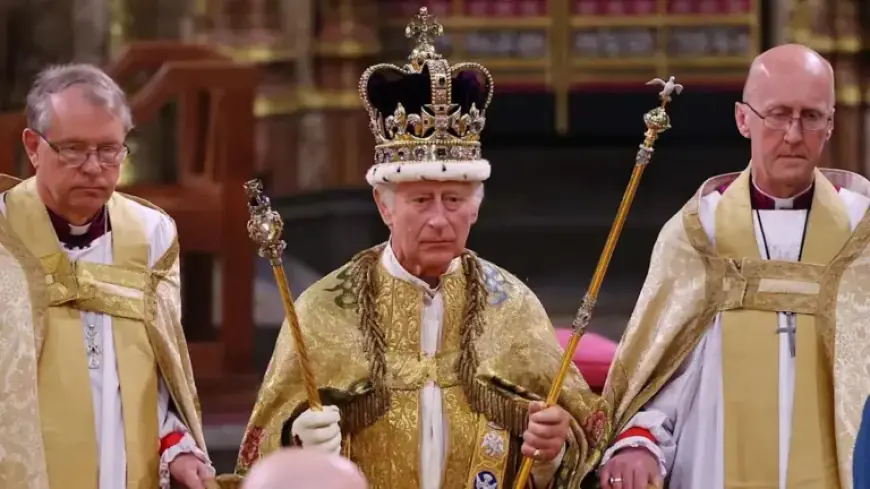
The British Green Party has announced plans to end the Church of England’s established status if it wins the next general election. That vote must take place before August 2029. The proposal would remove the monarch’s formal role as supreme governor of the church.
Party policy and official position
The Greens publish a policy that bars religious tests for public office. The document states: “No person shall hold office in the state, or be excluded from any such office, by virtue of their or their spouse’s membership or non-membership of any religion or denomination of religion.”
Leader Zack Polanski supports a secular state. A Green Party spokesperson said members will shape detailed plans ahead of the next general election.
Public reaction and criticism
Critics argue the move severs Britain’s long-standing church-state ties. Opponents say it would remove centuries of history and tradition.
Commentators warn the change could undermine what they call Britain’s Christian cultural roots. Some commentators have framed the proposal as an attack on Christianity.
Voices from think tanks and public figures
Michael McManus of the Henry Jackson Society said Britain has clear Christian origins and culture. He suggested disestablishing the church could discard an ethical foundation without a clear replacement.
Actor John Cleese posted on X that Britain’s deepest level rests on Christian values. He warned that replacing those values would alter the country’s character.
Political context and polling
The Greens have been rising in national polls. A recent YouGov survey placed them second behind Reform UK.
Another YouGov poll showed strong support among voters aged 18 to 24. The party has made gains with women and other demographic groups.
Constitutional changes and the Lords
The House of Lords (Hereditary Peers) Act 2026 removed the last hereditary peers from Parliament. That law passed last month and ended the hereditary principle.
Campaigners now see the 26 reserved seats for Church of England bishops in the House of Lords as the next target. Reformers argue this change follows logically from the earlier act.
Implications for upcoming elections
The debate arrives as the UK approaches local elections in 2026. Church-state separation could become a major wedge issue.
For Green supporters, the proposal aligns with a vision of a more diverse, inclusive Britain. Critics fear it could accelerate what they call de-Christianizing trends during a time of social uncertainty.
The developments have been widely covered. Filmogaz.com reports that the issue may either mobilize a new religious vote or fade amid other pressing concerns.
Observers will watch whether the policy shifts public opinion. The long-term constitutional impact remains uncertain.
UK Green Party Advocates Church-State Separation, Sparking Debate on Christian Heritage has become a headline framing the national conversation.