




















US Travel Faces 2026 Disruptions: Weather, Staffing, Infrastructure Challenges

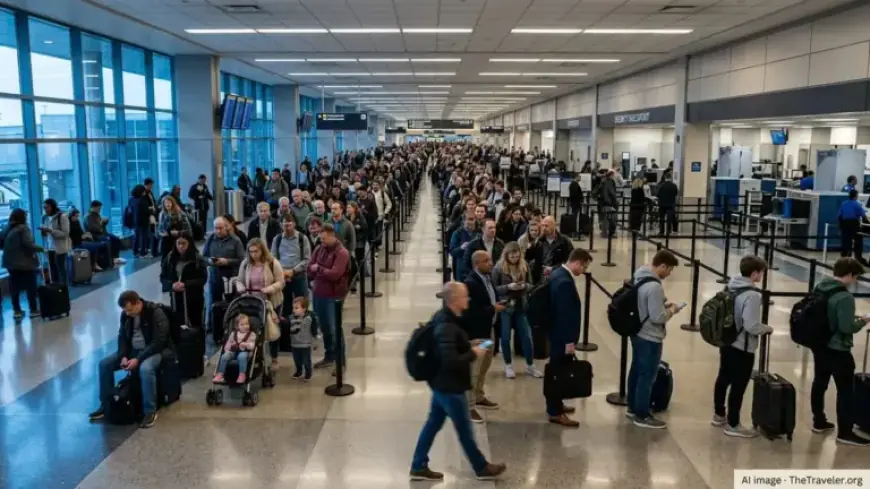
Travel across the United States has been unsettled in early 2026. US travel is facing weather, staffing and infrastructure challenges in 2026.
Weather-driven flight and rail chaos
Powerful winter systems hit in January, February and March. A sprawling late-January storm brought snow and ice from northern Mexico into the Northeast.
January 25 became one of the worst days for weather cancellations. Airlines scrubbed more than 10,000 flights while Amtrak curtailed multiple routes.
Late January’s nor’easter and a February blizzard strained operations further. A mid-March blizzard over the Upper Midwest and High Plains added heavy snow and high winds.
Airports in Texas and New England reported widespread cancellations and delays. State agencies warned drivers away from interstates because of whiteout conditions and drifting snow.
Airspace closures and control tower incidents
Temporary flight restrictions in February closed swaths of airspace near El Paso and the Trans-Pecos region. Commercial flights were rerouted or cancelled for days.
In March, a strong chemical odor at a Washington-area radar approach control center briefly halted flights. A burning smell at Newark Liberty’s control tower forced a short evacuation and shift to a backup facility.
The FAA is operating with a staffing shortfall of several thousand controllers. That deficit makes operational surprises much harder to absorb.
Travel advisors now recommend extra layover time through hubs. New York, Washington and major Texas airports remain high-risk nodes.
Rail networks strained by storms and construction
Intercity and commuter rail service suffered from buried tracks and damaged signals. Amtrak suspended or scaled back service between New York, Boston and Philadelphia during the storms.
In New Jersey, crews moved traffic from a century-old swing bridge over the Hackensack River to a new fixed span. The multi-week cutover in February and March reduced schedules and extended travel times into New York Penn Station.
Late March saw the Keystone line between Philadelphia and Harrisburg suspended due to “impassable rail.” Long-distance routes, including the California Zephyr, also faced cancellations.
Rail advocates stress that upgrades aim to ease chokepoints over the next decade. For now, passengers must contend with overlapping construction and emergency responses.
Road hazards and growing climate risk
A February California storm brought high winds, heavy rain and mountain snow. Downed trees closed portions of U.S. 101 and mudslides forced lane shutdowns on mountain passes.
Atmospheric river events since late 2025 left many western routes vulnerable to flooding and landslides. Agencies warned of rolling closures when storms target the same river basins.
In March, tornadoes and severe weather in the central United States damaged roads and vehicles. One fatality occurred when a tornado struck a car on a U.S. highway.
Travel and outdoor media highlight rising risks to iconic road trip corridors. Flooding, coastal erosion, heat and wildfire now threaten seasonal access and reliability.
Outlook and practical advice for travelers
Hiring and training new air traffic controllers will take years. Airlines are building more recovery time into schedules but remain vulnerable to storm clusters.
Major rail and highway projects will continue through 2026, especially in the Northeast and around large metro areas. Authorities urge travelers to monitor service alerts closely.
Experts advise adding buffer time to itineraries and considering travel insurance that covers weather disruptions. Stay open to multimodal options when one part of the network fails.
Filmogaz.com will continue to follow these developments as climate, staffing and infrastructure pressures shape travel this year.